" height="15.65460401053985px" id="E2hITFMIY" width="89px"/><path d="M 15.154 0 L 6.296 0 C 5.965 0 5.657 0.167 5.473 0.446 C 5.289 0.725 5.255 1.078 5.38 1.389 C 5.43 1.511 5.504 1.621 5.598 1.714 C 5.783 1.903 6.034 2.01 6.296 2.01 L 13.158 2.01 C 12.949 3.493 12.28 4.868 11.247 5.936 L 11.198 5.987 L 11.149 6.037 C 10.099 7.086 8.747 7.765 7.29 7.977 C 5.94 8.177 4.562 7.968 3.329 7.374 C 2.634 7.038 1.998 6.588 1.447 6.041 L 1.398 5.99 L 0 7.414 C 0.221 7.641 0.455 7.854 0.699 8.054 C 0.908 8.224 1.126 8.39 1.351 8.542 C 1.967 8.962 2.632 9.301 3.332 9.552 C 3.972 9.784 4.637 9.938 5.312 10.013 C 5.971 10.089 6.635 10.089 7.293 10.013 C 8.711 9.856 10.07 9.353 11.254 8.545 C 11.739 8.214 12.192 7.837 12.605 7.417 C 12.829 7.192 13.039 6.954 13.235 6.703 C 13.405 6.492 13.563 6.272 13.711 6.044 C 14.506 4.84 15.001 3.458 15.155 2.016 C 15.192 1.682 15.21 1.346 15.21 1.01 C 15.209 0.673 15.19 0.335 15.155 0 Z" fill="rgb(8, 46, 57)" height="10.070297475553705px" id="SUqhhb7Az" transform="translate(2.507 7.93)" width="15.210335938094289px"/></g></g></svg>)
Warehouse documentation
How to prove to your customer that the damage didn't happen in your facility
To prove that damage didn't occur in your facility, you need two things: a documented record of the cargo's condition when it arrived, and a documented record of its condition when it left. If both exist and neither shows damage, the damage occurred elsewhere, and you have evidence to prove it.
Without that documentation, you have a position. Not proof.
This is the situation most 3PLs find themselves in when a client dispute lands on their desk. The damage is real. The client is frustrated. And the operator — who genuinely didn't cause it — has nothing concrete to show.
This guide explains exactly what evidence you need, when to capture it, and how to build a documentation system that protects your facility before the dispute ever starts.
Why client damage disputes are so hard to win without documentation
When a client receives damaged goods and traces the last known handler back to your facility, the conversation starts from a position of suspicion rather than neutrality. You were the last party to touch the freight before it went wrong. The burden is on you to demonstrate otherwise.
This is uncomfortable, but it's the operational reality for any LSP or warehouse operator. Clients don't always know where damage occurred. They know where the freight was and what it looks like now. The gap in between is your problem to explain.
The only way to explain it credibly is with evidence. Not a conversation. Not a confident assertion. Evidence.
The two records that decide every dispute
1. The inbound condition record
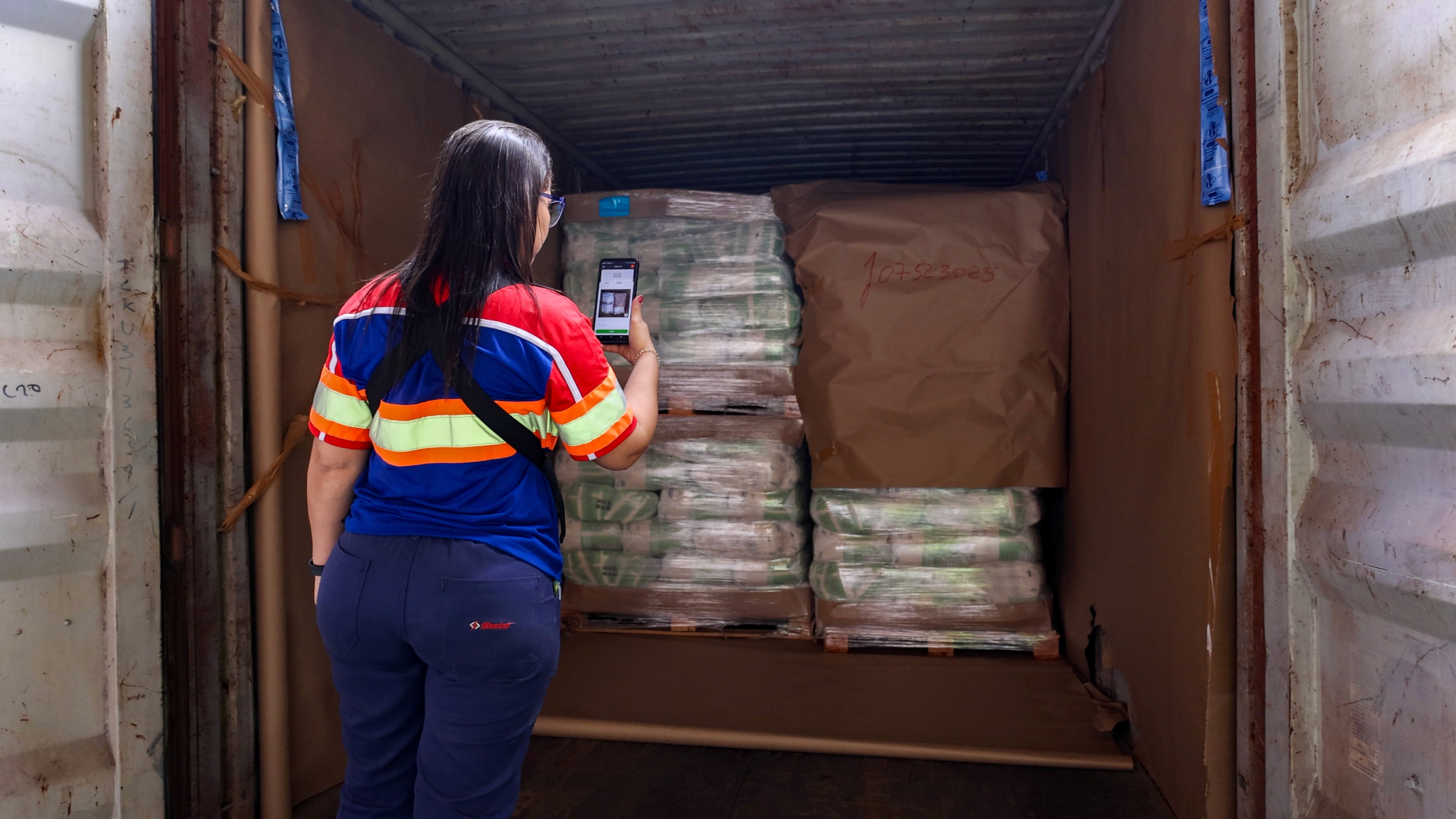
When freight arrives at your facility, you need to document its condition before it enters your storage system. This is your "as received" baseline; the record that shows exactly what state the goods were in when they came into your custody.
A strong inbound condition record includes:
Timestamped photos of outer packaging, pallet condition, and shipping labels — taken at the dock, before the goods are moved
Any damage or anomalies noted on the proof of delivery (POD) at the time of receipt
The name of the person who received and inspected the shipment
The exact time of receipt
If freight arrives damaged and you document it at intake, you have proof that the damage pre-dates your custody. The client's claim against you is answered before it starts.
If freight arrives in good condition and you document it at intake, you have a baseline. Any damage that appears later can be compared against that baseline — and if the damage isn't visible in your inbound record, the question becomes what happened after it left your facility.
2. The outbound condition record
When freight leaves your facility — loaded onto a carrier's vehicle, handed to a driver, dispatched for final delivery — you need to document its condition at the point of departure.
This is the record that demonstrates goods left your custody in good condition. It's the mirror image of your inbound record, and together they form a complete before-and-after picture of the freight's time in your facility.
A strong outbound condition record includes:
Timestamped loading photos: all sides of the pallet, wrap and seal condition, label clearly visible
Any relevant handoff documentation: signed by the carrier representative if possible
The name of the operative who loaded and documented
The exact time of loading
If your outbound record shows goods in good condition and the client receives them damaged, the damage window shifts to the transit leg, not your facility.
How the two records work together in a dispute
When a client raises a damage claim, the conversation changes entirely when you can say: here is what arrived at our facility, here is what left, and here is the timestamp on both.
Scenario 1: Damage is visible in your inbound record The freight arrived damaged. You noted it on the POD, photographed it at receipt, and have a timestamped record. You inform the client immediately: the goods arrived in this condition — here is the evidence. The claim is redirected to the carrier or the shipper, not your facility.
Scenario 2: Inbound record shows good condition, outbound record shows good condition The freight arrived intact and left intact. You have photographic evidence of both. If the client receives damaged goods, the damage occurred during the transit leg after the freight left your custody. Your documentation shifts the question to the carrier.
Scenario 3: No documentation exists This is where most disputes become expensive. Without an inbound or outbound record, you cannot demonstrate either the condition at arrival or at departure. The dispute becomes a conversation — and conversations between a frustrated client and a defensive operator rarely end well for the operator.
What makes documentation credible to a client
Not all documentation carries the same weight. A photo taken on someone's phone and forwarded via WhatsApp will be treated very differently from a timestamped record stored in a dedicated system and linked to the specific shipment.
For documentation to be credible in a client dispute, it needs to demonstrate:
It was captured at the time, not reconstructed after. Timestamp metadata and system records that log when photos were taken are far more convincing than photos that can't be date-verified.
It's linked to the specific shipment. A photo that can be traced to a purchase order, bill of lading, or shipment reference is evidence. A photo in a shared drive folder is a file. The linkage matters.
It's part of a consistent process. A client is far more likely to accept your documentation as genuine if it's clearly part of a systematic workflow — not a one-time reactive response to their complaint. If every inbound and outbound shipment generates a condition record, the documentation for their shipment is unremarkable. If you only have documentation for this one shipment, it looks like you saw the dispute coming.
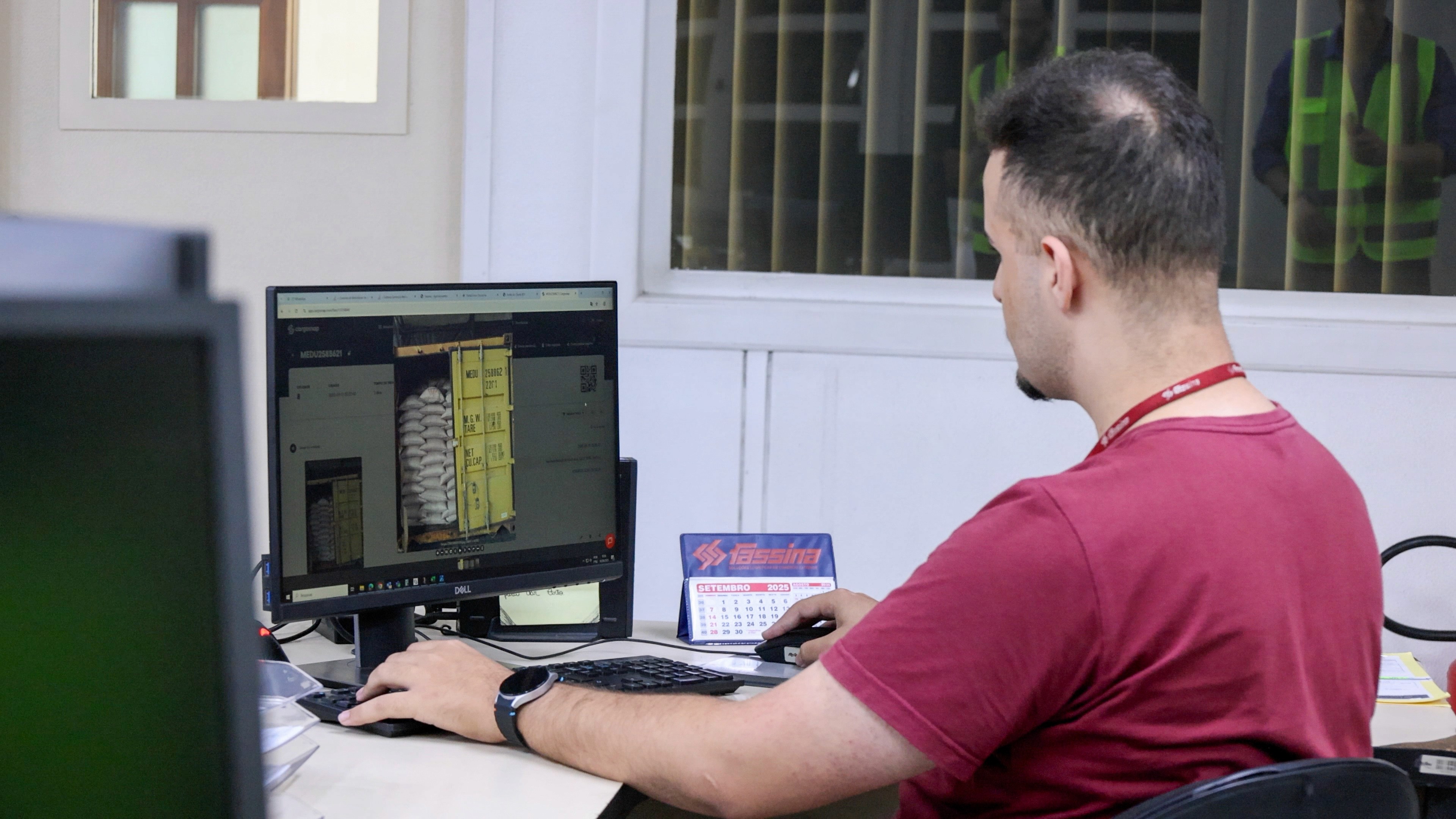
It's retrievable quickly. When a client raises a dispute, the speed with which you can produce the relevant documentation says a great deal. If you can share the inbound and outbound condition record for their shipment within minutes, the message is clear: this is how we operate, this is what we found, and here is the evidence.
The conversation that changes when you have documentation
Without documentation, a client dispute sounds like this:
"We received the goods damaged." "That didn't happen at our facility." "How do you know?" "We would have noticed."
With documentation, it sounds like this:
"We received the goods damaged." "Here is the condition record from when the freight arrived at our facility — timestamped, linked to your shipment. Here is the condition record from when it was loaded for dispatch. The damage isn't visible in either record. This occurred after the freight left our custody."
One of those conversations costs you a client. The other one builds trust — even in a difficult situation.
Why systematic documentation beats reactive documentation
The operators who consistently win damage disputes don't document better when disputes happen. They document consistently before disputes start.
The logic is straightforward: you cannot predict which shipment will generate a dispute. A client who receives goods in perfect condition today may receive a claim from their own customer next month and trace it back to your facility. The freight that was handled without incident last Tuesday becomes the subject of a conversation three months from now.
By that point, the dock worker who received the shipment may not remember it. The packaging has been discarded. The carrier who delivered it has moved on. Your only protection is a record that was made at the time — not reconstructed when the dispute arrives.
Systematic documentation means every inbound and every outbound shipment event generates a condition record as a matter of course. Not because someone spotted damage. Not because a particular client is high-risk. Because the record is made before you know you'll need it.
This is what Cargosnap is built for. A mobile-first inspection workflow that puts structured documentation into the hands of your warehouse team at the moment of receipt and dispatch — with automatic linkage to shipment records, timestamped evidence, and client-facing reports that can be shared the moment a dispute is raised.
The next time a client asks how you can prove the damage didn't happen in your facility, the answer isn't a conversation. It's a record.