" height="15.65460401053985px" id="E2hITFMIY" width="89px"/><path d="M 15.154 0 L 6.296 0 C 5.965 0 5.657 0.167 5.473 0.446 C 5.289 0.725 5.255 1.078 5.38 1.389 C 5.43 1.511 5.504 1.621 5.598 1.714 C 5.783 1.903 6.034 2.01 6.296 2.01 L 13.158 2.01 C 12.949 3.493 12.28 4.868 11.247 5.936 L 11.198 5.987 L 11.149 6.037 C 10.099 7.086 8.747 7.765 7.29 7.977 C 5.94 8.177 4.562 7.968 3.329 7.374 C 2.634 7.038 1.998 6.588 1.447 6.041 L 1.398 5.99 L 0 7.414 C 0.221 7.641 0.455 7.854 0.699 8.054 C 0.908 8.224 1.126 8.39 1.351 8.542 C 1.967 8.962 2.632 9.301 3.332 9.552 C 3.972 9.784 4.637 9.938 5.312 10.013 C 5.971 10.089 6.635 10.089 7.293 10.013 C 8.711 9.856 10.07 9.353 11.254 8.545 C 11.739 8.214 12.192 7.837 12.605 7.417 C 12.829 7.192 13.039 6.954 13.235 6.703 C 13.405 6.492 13.563 6.272 13.711 6.044 C 14.506 4.84 15.001 3.458 15.155 2.016 C 15.192 1.682 15.21 1.346 15.21 1.01 C 15.209 0.673 15.19 0.335 15.155 0 Z" fill="rgb(8, 46, 57)" height="10.070297475553705px" id="SUqhhb7Az" transform="translate(2.507 7.93)" width="15.210335938094289px"/></g></g></svg>)
Damage claims
How to document shipment damage to support a claim (Complete Guide)
Shipment damage costs the logistics industry billions of euros each year. But the damage itself is rarely the most expensive part. The documentation failure is. Claims get denied. Disputes drag on for months. Costs land on the wrong party. And in most cases, the root cause is the same: by the time someone tries to file a claim, the evidence that should have been captured at the moment of receipt no longer exists.
This guide covers exactly what to document, when to do it, and how to build a system that protects your operation every time freight changes hands.
What is shipment damage documentation?
Shipment damage documentation is the structured process of recording the physical condition of freight at the point of receipt or delivery — using photos, written notes, timestamps, and signatures — to create an auditable record that can support or defend a freight claim.
Done correctly, it answers three questions that every cargo claim comes down to:
What condition was the freight in when it arrived?
When exactly was the damage discovered?
Who had custody of the goods at that point?
Without answers to all three, claims become disputes. With them, responsibility is clear.
Why documentation fails (and claims get denied)
The most common reasons freight claims are rejected have nothing to do with the legitimacy of the damage. They come down to documentation gaps:
No photos at receipt. The single most preventable failure. A verbal description of damage — even one written on the POD — is far weaker than timestamped photographic evidence. Carriers will dispute descriptions. They can't easily dispute photos taken at the dock at 14:23 on a Tuesday.
Damage noted after the POD is signed clean. Once a delivery is signed for without notations, the presumption shifts to the receiver. Concealed damage claims are still possible, but they require substantially stronger evidence and face higher scrutiny.
Photos taken without context. A close-up of a dented corner tells a different story when it also shows the pallet wrap, the label, the dock, and a readable timestamp. Evidence without context is much weaker than evidence with it.
Documentation not linked to the shipment record. Photos saved in someone's phone gallery or a shared folder aren't evidence — they're files. For a claim to succeed, documentation needs to be traceable: this photo, this shipment, this time, this location.
Delayed reporting. Most carriers require initial notification within 5–7 days of delivery. Missing that window doesn't automatically kill a claim, but it significantly reduces the chance of recovery.
The 6-step damage documentation process
Step 1: Inspect before signing
Before signing the proof of delivery (POD), conduct a visible inspection of the outer packaging and pallet condition. You do not need to open every box — but you do need to check:
Pallet integrity (broken boards, leaning stacks)
Outer packaging (crushed corners, torn shrink wrap, moisture damage)
Seal condition (broken or missing seals on sealed shipments)
Any visible discrepancies between the delivery note and what arrived
If you find visible damage: note it specifically on the POD before signing. "Damaged freight observed: top-right carton crushed, contents visible" is a valid and defensible notation. "Damage" or "subject to inspection" alone is vague and often insufficient.
If you cannot inspect fully at receipt: write "pending further inspection" on the POD. This preserves your right to file a concealed damage claim if damage is discovered later.
Step 2: Photograph the full scene first
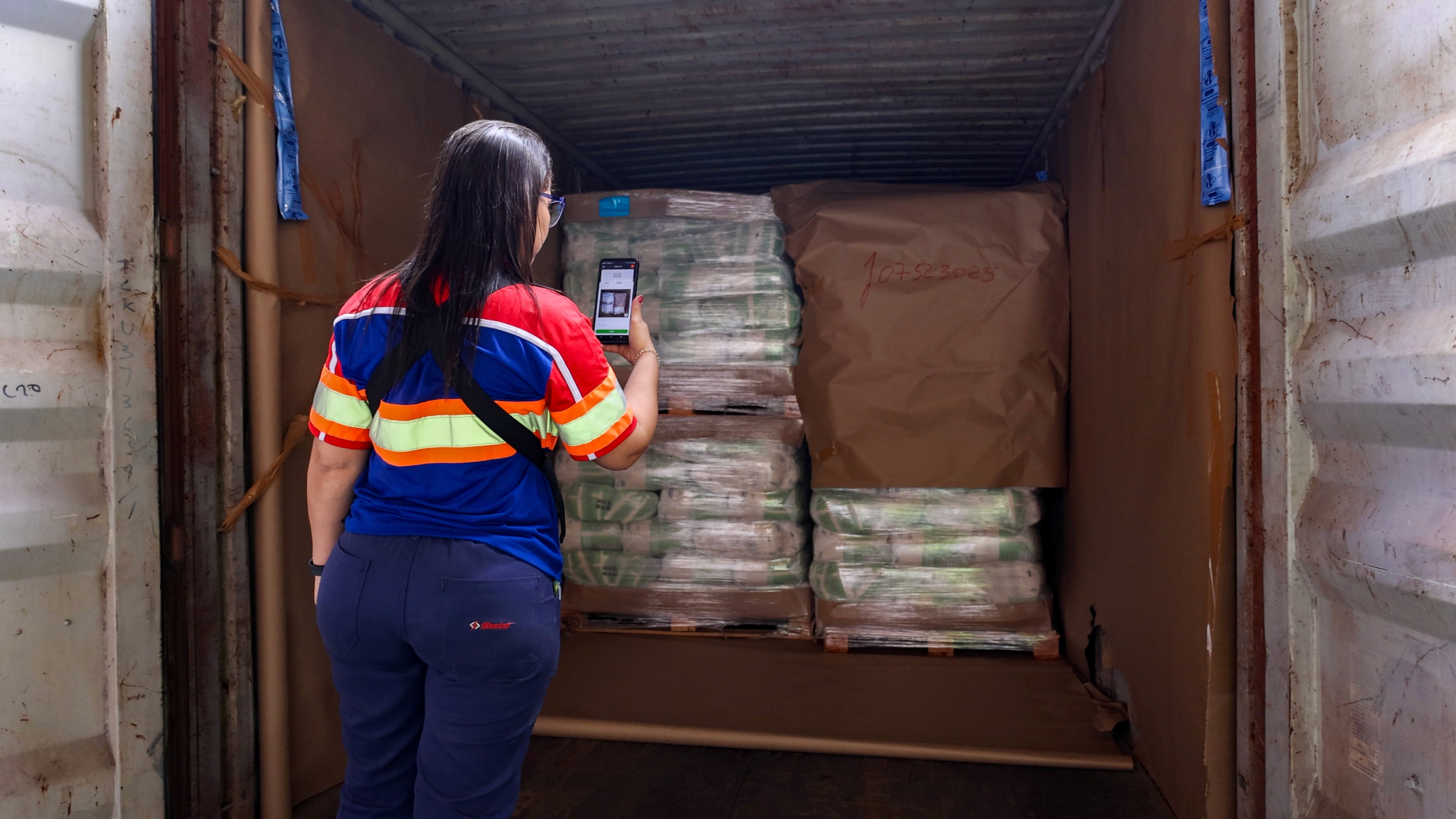
Before moving, opening, or touching the freight, take a wide shot that shows the entire delivery in context — pallet position, surrounding dock area, delivery vehicle if still present. This establishes the scene.
What the scene photo should show:
The complete pallet or shipment
Visible outer damage if present
The environment (dock door, loading area)
Any relevant context (damaged packaging from adjacent pallets, etc.)
Step 3: Photograph the damage systematically
Once the scene is recorded, move to specific damage documentation. For each damaged item or area:
Wide shot: full pallet or package in frame
Mid shot: damaged section clearly visible
Close-up: detail of the damage itself
Label shot: shipping label clearly readable to tie the evidence to the shipment
For pallets, photograph all four sides. Damage is often visible from one angle only, and a one-sided photo record can be challenged.
Step 4: Record condition before unpacking
If inner contents may be damaged (crushed packaging, broken seals, wet boxes), photograph the packaging intact before opening. This is critical for concealed damage claims — it shows the packaging condition at the moment of discovery, before you introduced any possibility of mishandling.
Step 5: Document the chain of custody
Record who received the shipment, when, and from whom. This should include:
Carrier name and driver name if possible
Exact time of delivery
Name of the person who received and inspected
Any verbal statements made by the driver regarding the condition
Step 6: Report within the deadline window
File initial notification with the carrier as soon as possible — within 24 hours if damage is visible at receipt, within 5 business days for concealed damage discovered after unpacking. Most carriers and freight contracts impose strict notification windows; missing them doesn't always void a claim, but it significantly weakens your position.
What makes documentation legally defensible?
Not all documentation is equal. Evidence that holds up in a carrier dispute or insurance claim needs to meet a higher standard than "we took some photos."
Timestamp and geolocation. Evidence is far stronger when it includes metadata showing exactly when and where it was captured. This prevents disputes about whether photos were taken before or after the goods were moved.
Traceability to the shipment. Photos should be directly linked to a specific shipment, purchase order, or bill of lading, not stored as generic files. Unattributed photos can be challenged as irrelevant or from a different incident.
Consistency of record. A systematic process — same workflow every time — is more defensible than ad hoc documentation. It shows your operation maintains professional standards, not just that someone happened to take a photo this once.
Third-party or platform record. Documentation captured and stored through a dedicated platform (rather than personal devices) carries more weight because it's harder to manipulate after the fact.
How 3PLs and LSPs systematise damage documentation
For single-shipment operators, an ad hoc process can work. For 3PLs managing dozens or hundreds of shipment events per day, it can't.
The operations that handle damage documentation most effectively share a few characteristics:
They capture evidence at the moment of receipt, not after. The dock worker who receives the shipment is the person taking the photos — not someone in back-office following up later. Mobile-first tools make this practical.
Documentation is tied to the shipment record automatically. Photos don't go into a gallery or folder — they're linked to the relevant order, shipment, or client record the moment they're taken. When a claim arises, the evidence is findable in seconds.
Clients receive reports without manual work. Automated reporting means the client gets a condition record for every inbound or outbound shipment — building transparency and pre-empting disputes before they start.
Every event creates a before/after custody record. When freight is received damaged, there's a record of what it looked like on arrival. When freight is loaded for dispatch in perfect condition, there's a record of that too. Responsibility for damage is no longer a matter of word against word.
This is exactly what Cargosnap is built for. It's a mobile-first platform that puts structured, timestamped documentation workflows into the hands of warehouse teams — with automatic linkage to shipment records, client-facing reports, and full integration with ERP, TMS, and WMS systems.
The result: every shipment event creates a traceable, defensible record, without changing how your team works.
Damage documentation by shipment type
Inbound shipments (received at your warehouse)
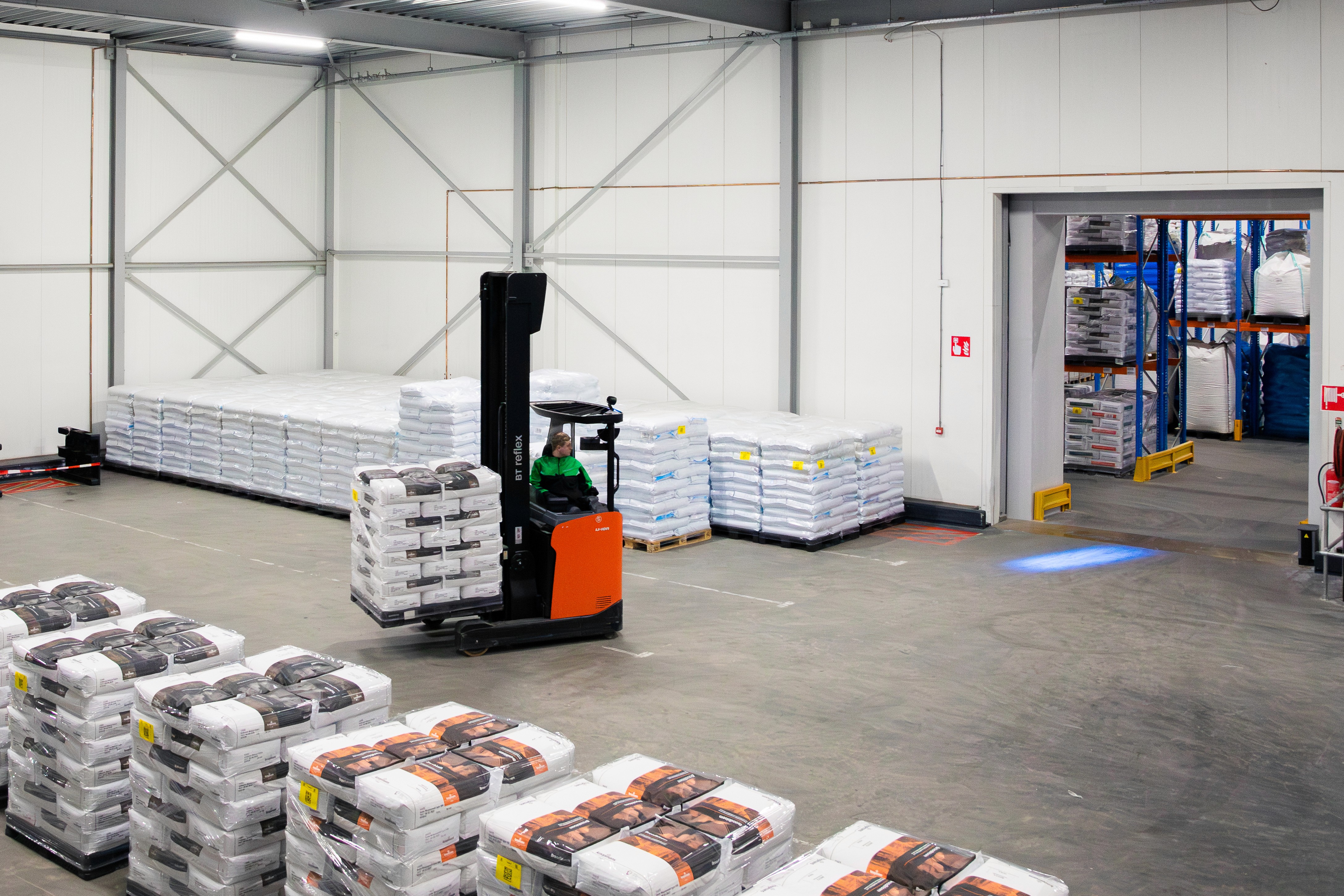
Priority: Document before goods enter your storage system. Once freight is inside and unpacked, establishing the condition at receipt becomes much harder.
Key evidence: Outer packaging condition, pallet integrity, label photos, any driver notations on the POD.
Outbound shipments (leaving your facility)
Priority: Document the condition of goods at the point of loading. This is your protection against false claims from the receiver — proof that the goods left in good condition.
Key evidence: Loading photos, wrap/seal condition, pallet stability, signed or countersigned handoff record.
Cross-dock events
Priority: Document both the inbound arrival condition and the outbound departure condition separately. Cross-dock operations create natural liability transitions — documentation at both ends is essential.
Container examinations
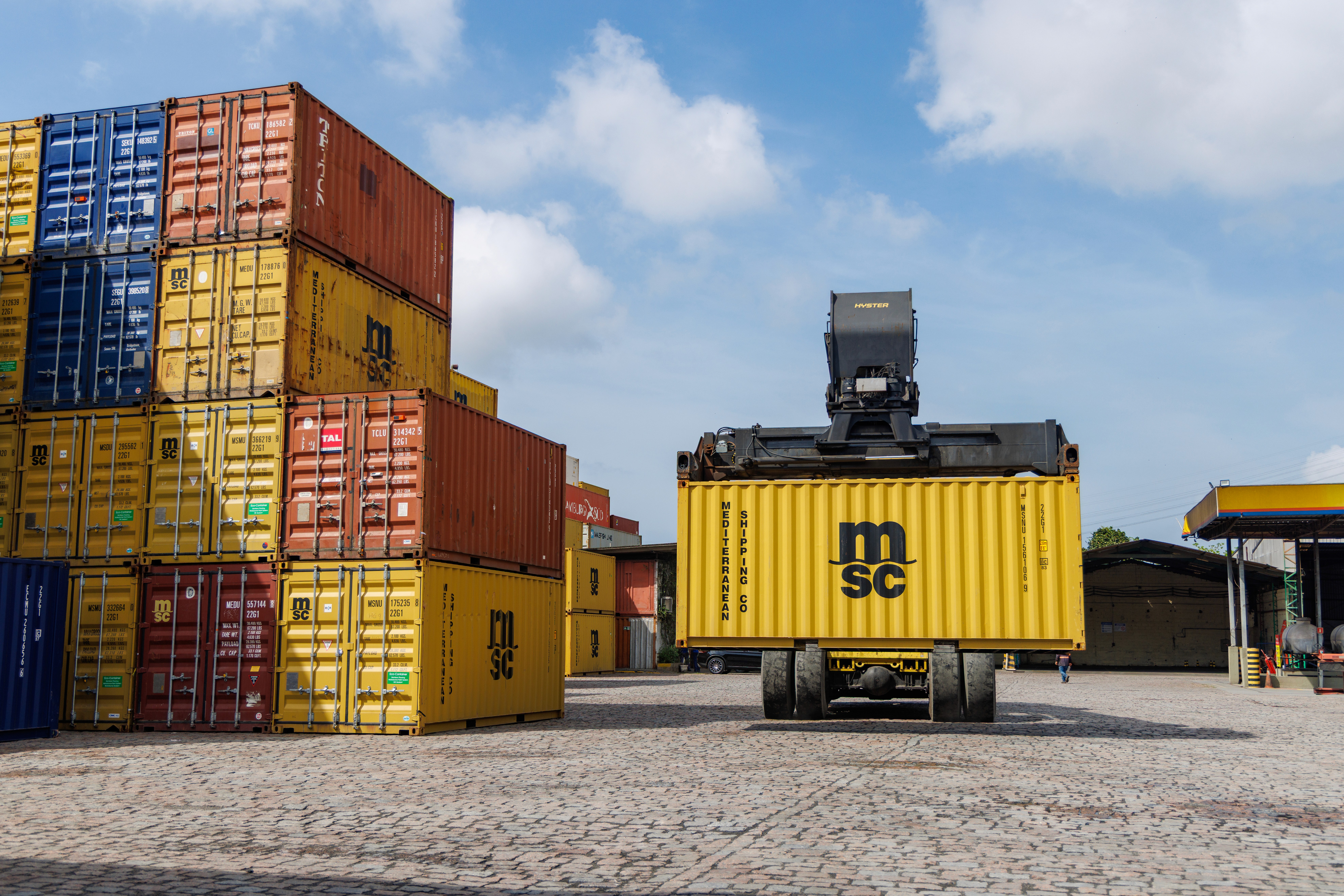
Priority: Record the condition of the container before and after stuffing or stripping. Moisture, structural damage, and contamination from prior cargo are all real risks, and documentation of the container condition at examination is your protection.
Common mistakes that get claims denied
Photographing damage only, not context. A close-up of broken product is not evidence the damage happened in transit. A close-up plus a wide scene shot plus a readable label is.
Writing "subject to inspection" on the POD. This phrase sounds protective but has limited legal value in most jurisdictions. Specific damage notations are far stronger.
Waiting to document. Even a few hours between receipt and documentation creates a window that carriers and insurers can exploit. Document at the moment of receipt, always.
Storing evidence in personal devices. Photos on a dock worker's phone are not a business record. They can be deleted, disputed, or inaccessible when needed.
Not reporting within the deadline. Know your carrier's notification window before you need it. Build the reporting step into the documentation workflow so it happens automatically.