" height="15.65460401053985px" id="E2hITFMIY" width="89px"/><path d="M 15.154 0 L 6.296 0 C 5.965 0 5.657 0.167 5.473 0.446 C 5.289 0.725 5.255 1.078 5.38 1.389 C 5.43 1.511 5.504 1.621 5.598 1.714 C 5.783 1.903 6.034 2.01 6.296 2.01 L 13.158 2.01 C 12.949 3.493 12.28 4.868 11.247 5.936 L 11.198 5.987 L 11.149 6.037 C 10.099 7.086 8.747 7.765 7.29 7.977 C 5.94 8.177 4.562 7.968 3.329 7.374 C 2.634 7.038 1.998 6.588 1.447 6.041 L 1.398 5.99 L 0 7.414 C 0.221 7.641 0.455 7.854 0.699 8.054 C 0.908 8.224 1.126 8.39 1.351 8.542 C 1.967 8.962 2.632 9.301 3.332 9.552 C 3.972 9.784 4.637 9.938 5.312 10.013 C 5.971 10.089 6.635 10.089 7.293 10.013 C 8.711 9.856 10.07 9.353 11.254 8.545 C 11.739 8.214 12.192 7.837 12.605 7.417 C 12.829 7.192 13.039 6.954 13.235 6.703 C 13.405 6.492 13.563 6.272 13.711 6.044 C 14.506 4.84 15.001 3.458 15.155 2.016 C 15.192 1.682 15.21 1.346 15.21 1.01 C 15.209 0.673 15.19 0.335 15.155 0 Z" fill="rgb(8, 46, 57)" height="10.070297475553705px" id="SUqhhb7Az" transform="translate(2.507 7.93)" width="15.210335938094289px"/></g></g></svg>)
Tender Response & Proposals
How to Build a Winning Logistics Proposal

Most LSPs compete in a market where price decides most tenders. Warehousing, transport, WMS integrations, SLAs, competitive pricing, every proposal in the shortlist can offer roughly the same thing. So when a shipper is choosing between two bids that read the same, the deciding factor becomes the number at the bottom of the page.
That's not because your operation doesn't have anything better to offer. It's because your proposal describes what you do as a process, not as something the shipper actually gains from.
The cheaper bid wins when yours doesn't explain the difference
Say your bid is 20 cents more per unit than a competitor's. If the proposal doesn't tell the shipper what that 20 cents buys them- fewer disputes, faster claims, proof at every handover- there's no reason for them to pay it. The shipper isn't choosing the cheaper option because price is all they care about. They're choosing it because nothing in the more expensive bid gave them a reason not to.
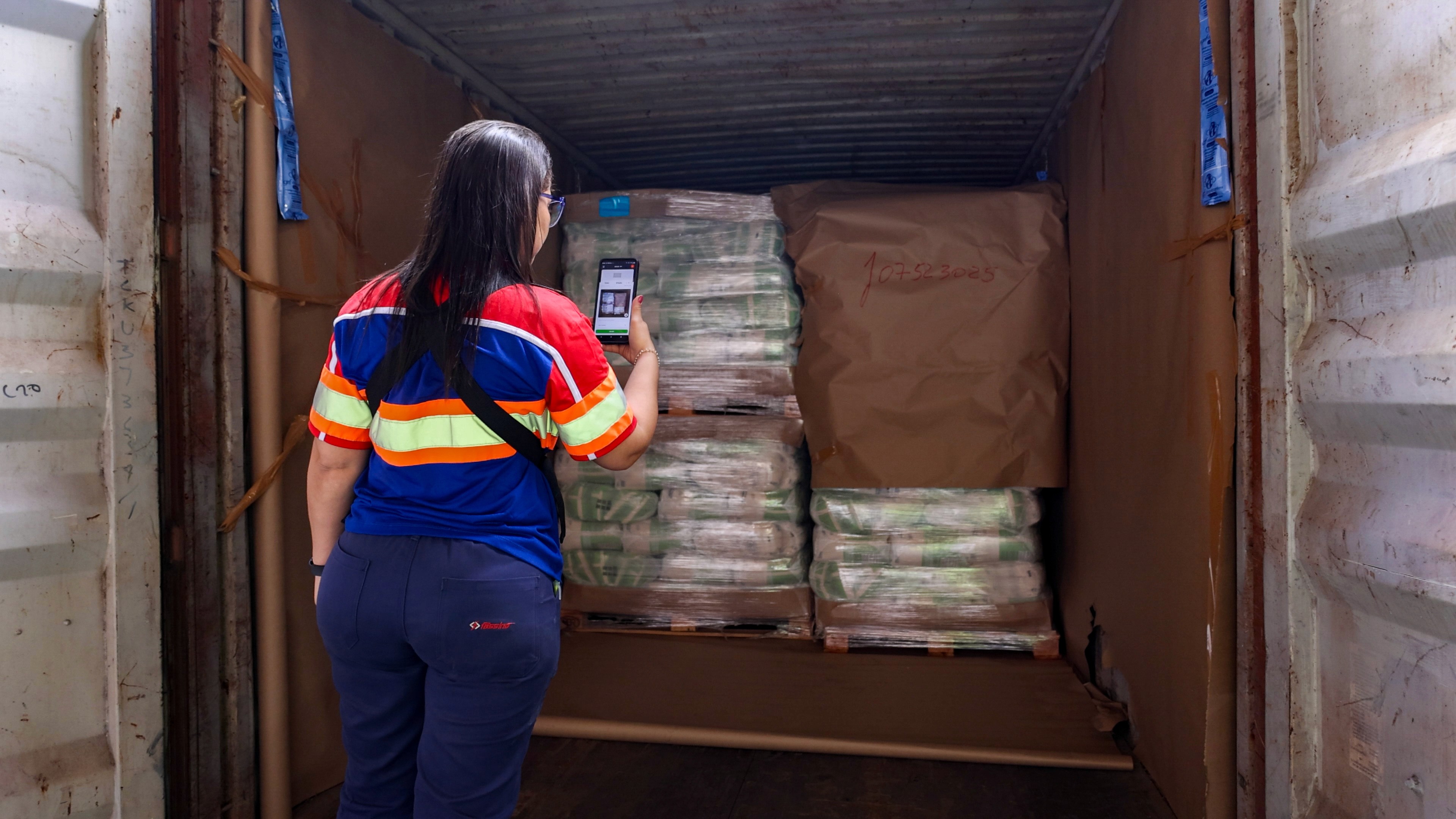
This is the gap the tender response playbook is built to close: turning what you already do on the floor- inspections, checks, damage prevention- into language that shows the shipper what they gain, not just what you perform.
Why this matters differently depending on your role
If you're writing the commercial or sales side of a bid, the job is giving the shipper an actual reason to choose you over a lower number. If you're the solutions or sales engineer drafting the technical answers, it's turning every process you describe into an outcome the shipper can picture. If you're on the operations or warehouse side, the frustrating part is usually that your floor already produces the evidence the bid team needs, it's just never made it into the proposal. And if you're the one signing off on the final document, the check is simple: does every claim in here tell the shipper what they gain, or does it just describe what you do?
Different roles, same failure point. The operation already has the value. The proposal just isn't the one making the case for it.
What this looks like in practice
A generic line like "we perform quality inspections" describes an activity. It doesn't tell the shipper anything they can weigh against a cheaper bid. Compare it to naming what the inspection actually protects them from and how they'd know it happened, tied to a record they can ask to see. That's the difference between a bid that reads like everyone else's and one that gives the shipper something to point to when they're deciding whether the extra cost is worth it.