" height="15.65460401053985px" id="E2hITFMIY" width="89px"/><path d="M 15.154 0 L 6.296 0 C 5.965 0 5.657 0.167 5.473 0.446 C 5.289 0.725 5.255 1.078 5.38 1.389 C 5.43 1.511 5.504 1.621 5.598 1.714 C 5.783 1.903 6.034 2.01 6.296 2.01 L 13.158 2.01 C 12.949 3.493 12.28 4.868 11.247 5.936 L 11.198 5.987 L 11.149 6.037 C 10.099 7.086 8.747 7.765 7.29 7.977 C 5.94 8.177 4.562 7.968 3.329 7.374 C 2.634 7.038 1.998 6.588 1.447 6.041 L 1.398 5.99 L 0 7.414 C 0.221 7.641 0.455 7.854 0.699 8.054 C 0.908 8.224 1.126 8.39 1.351 8.542 C 1.967 8.962 2.632 9.301 3.332 9.552 C 3.972 9.784 4.637 9.938 5.312 10.013 C 5.971 10.089 6.635 10.089 7.293 10.013 C 8.711 9.856 10.07 9.353 11.254 8.545 C 11.739 8.214 12.192 7.837 12.605 7.417 C 12.829 7.192 13.039 6.954 13.235 6.703 C 13.405 6.492 13.563 6.272 13.711 6.044 C 14.506 4.84 15.001 3.458 15.155 2.016 C 15.192 1.682 15.21 1.346 15.21 1.01 C 15.209 0.673 15.19 0.335 15.155 0 Z" fill="rgb(8, 46, 57)" height="10.070297475553705px" id="SUqhhb7Az" transform="translate(2.507 7.93)" width="15.210335938094289px"/></g></g></svg>)
Material handling
Warehouses don’t have windows: why logistics needs a new kind of visibility
Warehouses don’t have windows. For anyone working inside them, this is obvious. But we like to say it out loud, because to us it is more than an architectural fact. We see it as a metaphor for how material handling remained a black box in modern logistics for years. Transport routes are GPS-tracked. Inventory is digitally mapped. Yet the moments when goods are loaded, inspected, repacked, and handed over inside warehouse walls often go unseen.
Why material handling stayed in the dark
This lack of visibility is not only inconvenient. We know it is costly. Logistics leaders can analyze shipments in ERP, WMS, and control towers, but when it comes to damages, delays, and handling inefficiencies, they are still flying blind. Evidence sits in siloed photos, clipboard notes, or chat messages that never become data the stack can read.
Installing “windows” into the warehouse floor
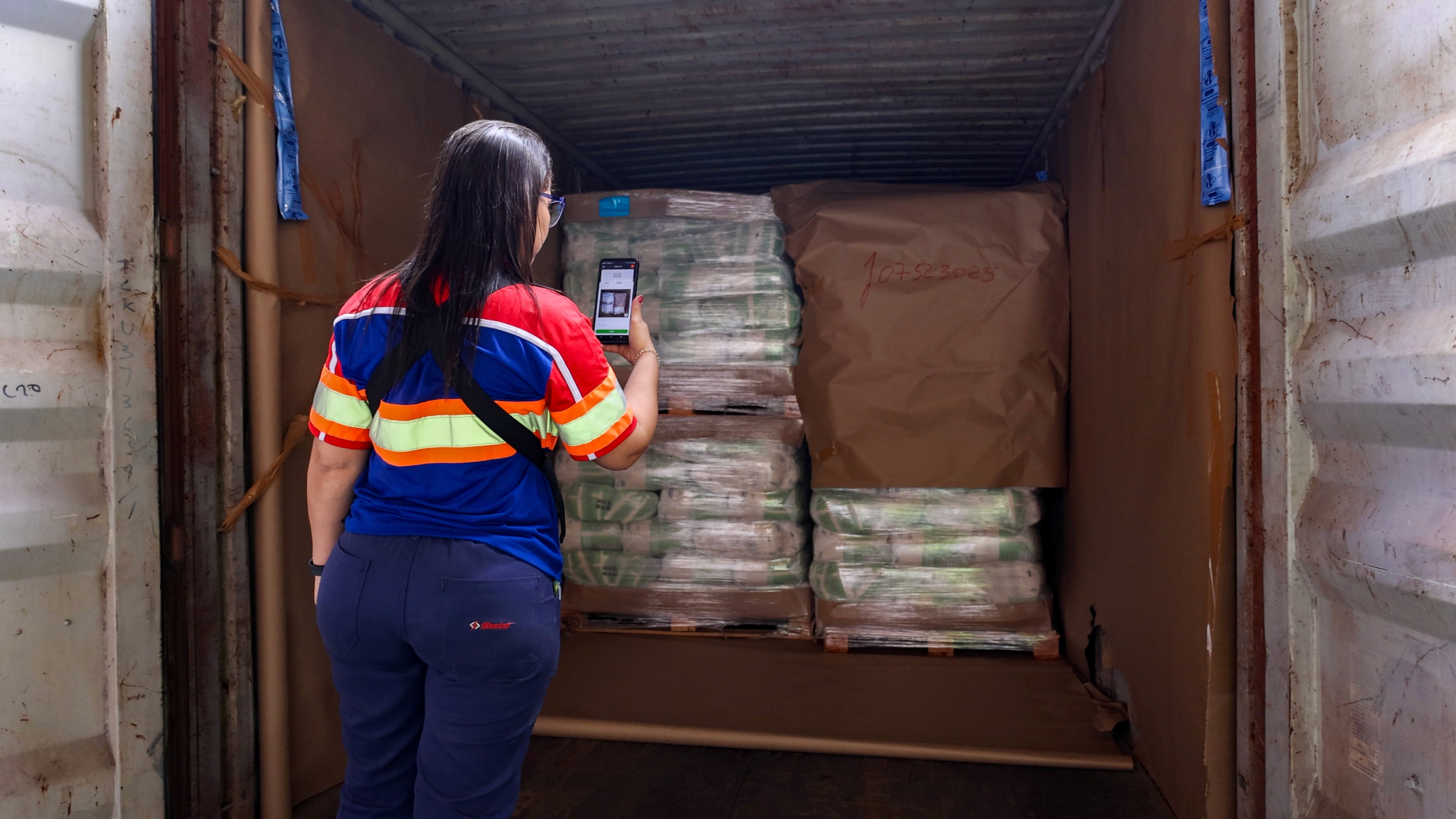
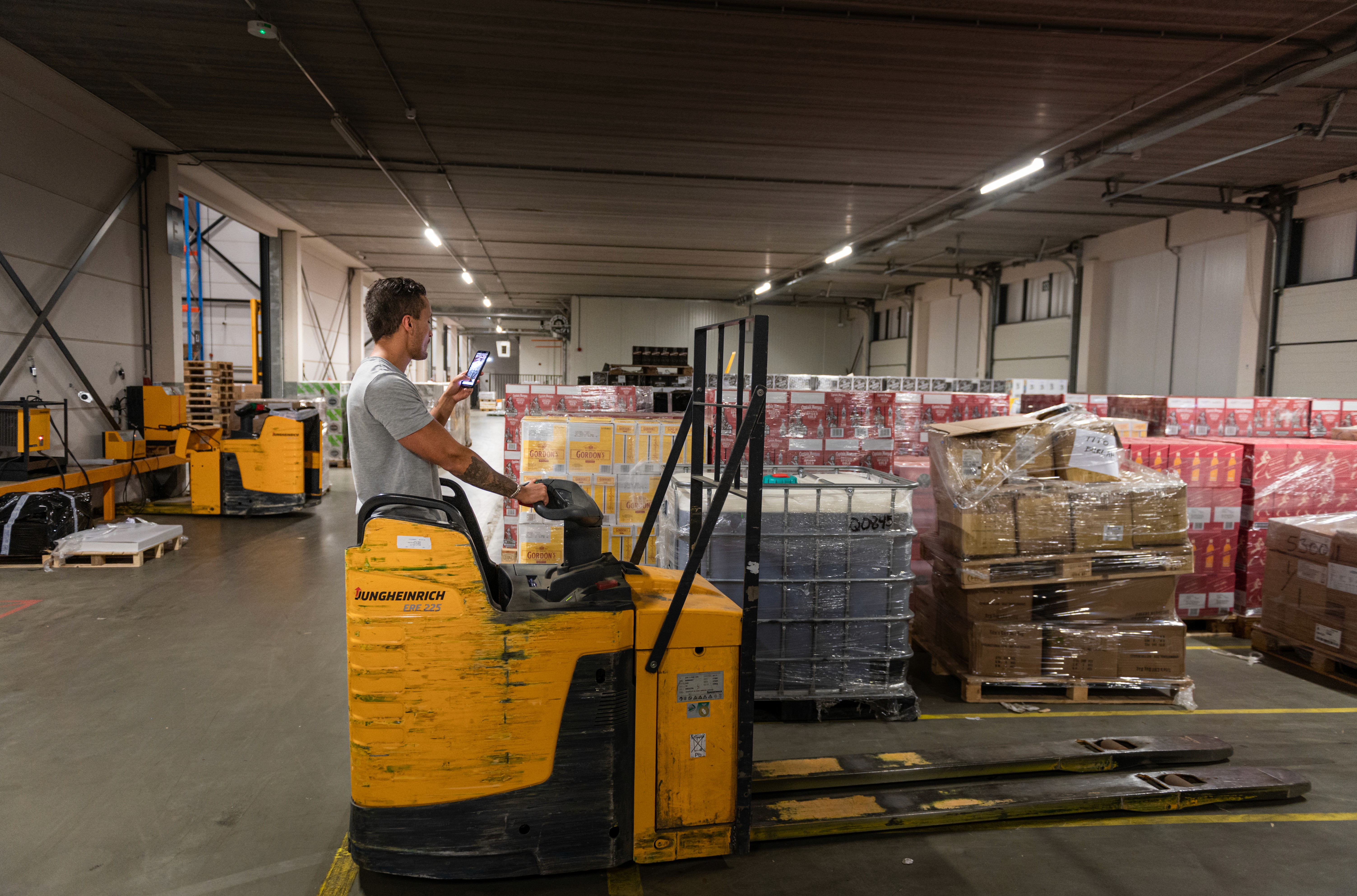
We are now “installing windows” into those operations. By capturing structured inputs, like photos, timestamps, checklists, scans, and anomalies, at the point of handling, we create ground truth for the place where risk and variability peak. Visibility becomes part of workflow instead of after-the-fact reports.
We see the impact every day. Decisions become faster. Training gets better. Control becomes tighter across locations and contractors. In a world where resilience and cost-to-serve are under pressure, we no longer treat this as optional. We treat bringing light into the warehouse floor as a competitive necessity.
Opening the handling black box is how we keep supply chains improving — faster, leaner, and more reliable — even when their environment is complex and unpredictable. Where WMS stops, the handling platform starts.