" height="15.65460401053985px" id="E2hITFMIY" width="89px"/><path d="M 15.154 0 L 6.296 0 C 5.965 0 5.657 0.167 5.473 0.446 C 5.289 0.725 5.255 1.078 5.38 1.389 C 5.43 1.511 5.504 1.621 5.598 1.714 C 5.783 1.903 6.034 2.01 6.296 2.01 L 13.158 2.01 C 12.949 3.493 12.28 4.868 11.247 5.936 L 11.198 5.987 L 11.149 6.037 C 10.099 7.086 8.747 7.765 7.29 7.977 C 5.94 8.177 4.562 7.968 3.329 7.374 C 2.634 7.038 1.998 6.588 1.447 6.041 L 1.398 5.99 L 0 7.414 C 0.221 7.641 0.455 7.854 0.699 8.054 C 0.908 8.224 1.126 8.39 1.351 8.542 C 1.967 8.962 2.632 9.301 3.332 9.552 C 3.972 9.784 4.637 9.938 5.312 10.013 C 5.971 10.089 6.635 10.089 7.293 10.013 C 8.711 9.856 10.07 9.353 11.254 8.545 C 11.739 8.214 12.192 7.837 12.605 7.417 C 12.829 7.192 13.039 6.954 13.235 6.703 C 13.405 6.492 13.563 6.272 13.711 6.044 C 14.506 4.84 15.001 3.458 15.155 2.016 C 15.192 1.682 15.21 1.346 15.21 1.01 C 15.209 0.673 15.19 0.335 15.155 0 Z" fill="rgb(8, 46, 57)" height="10.070297475553705px" id="SUqhhb7Az" transform="translate(2.507 7.93)" width="15.210335938094289px"/></g></g></svg>)
Cost reduction
Packaging condition as a cost driver
Packaging condition is often treated as a quality issue. In reality, it’s a direct cost driver.
When packaging arrives damaged, weak, or inconsistent, costs start stacking up immediately, even if no formal claim is raised.
How packaging condition increases operational cost
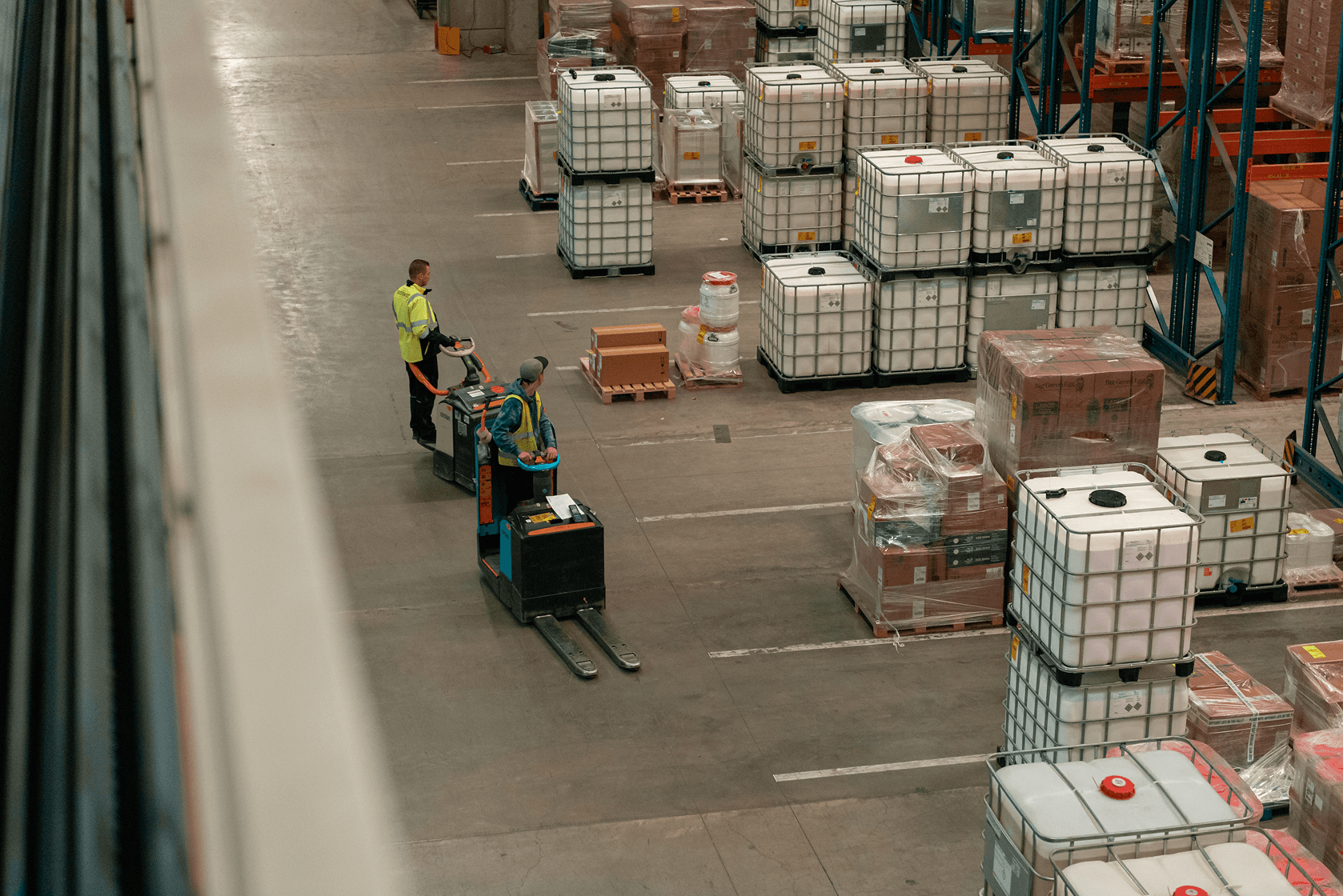
Poor packaging condition increases cost first through extra handling. When cartons are torn, pallets are unstable, or wrapping is insufficient, operators need to repack, re-palletize, or secure cargo before it can move forward. These tasks require additional labor time that was never planned or priced into the operation.
Packaging condition also affects speed at receiving. Damaged or weak packaging slows unloading because operators must work more carefully, pause the process, or fix issues on the spot. Over a full shift, these small delays reduce throughput and increase labor cost per shipment.
Another cost driver is hidden damage risk. Weak or damaged packaging often leads to internal product damage that is not immediately visible. This damage may appear later during storage, transport, or delivery, when responsibility is harder to determine and corrective actions are more expensive.
Packaging issues also increase administrative and claims-related cost. When damage is discovered, teams spend time reviewing photos, checking documents, and discussing responsibility. Even when no claim is raised, this investigation time adds cost without adding value.
Why packaging-related costs are often underestimated
Packaging condition is rarely documented consistently during receiving. In many operations, issues are handled informally and fixed in the moment so the process can continue. Because these actions are not recorded, the same problems repeat and their cost remains invisible.
Without consistent documentation, teams cannot see patterns by supplier, product, or shipment type. As a result, improvement efforts rely on assumptions instead of facts.
The challenge with packaging-related cost is not that it is complex. It is that it is rarely visible.
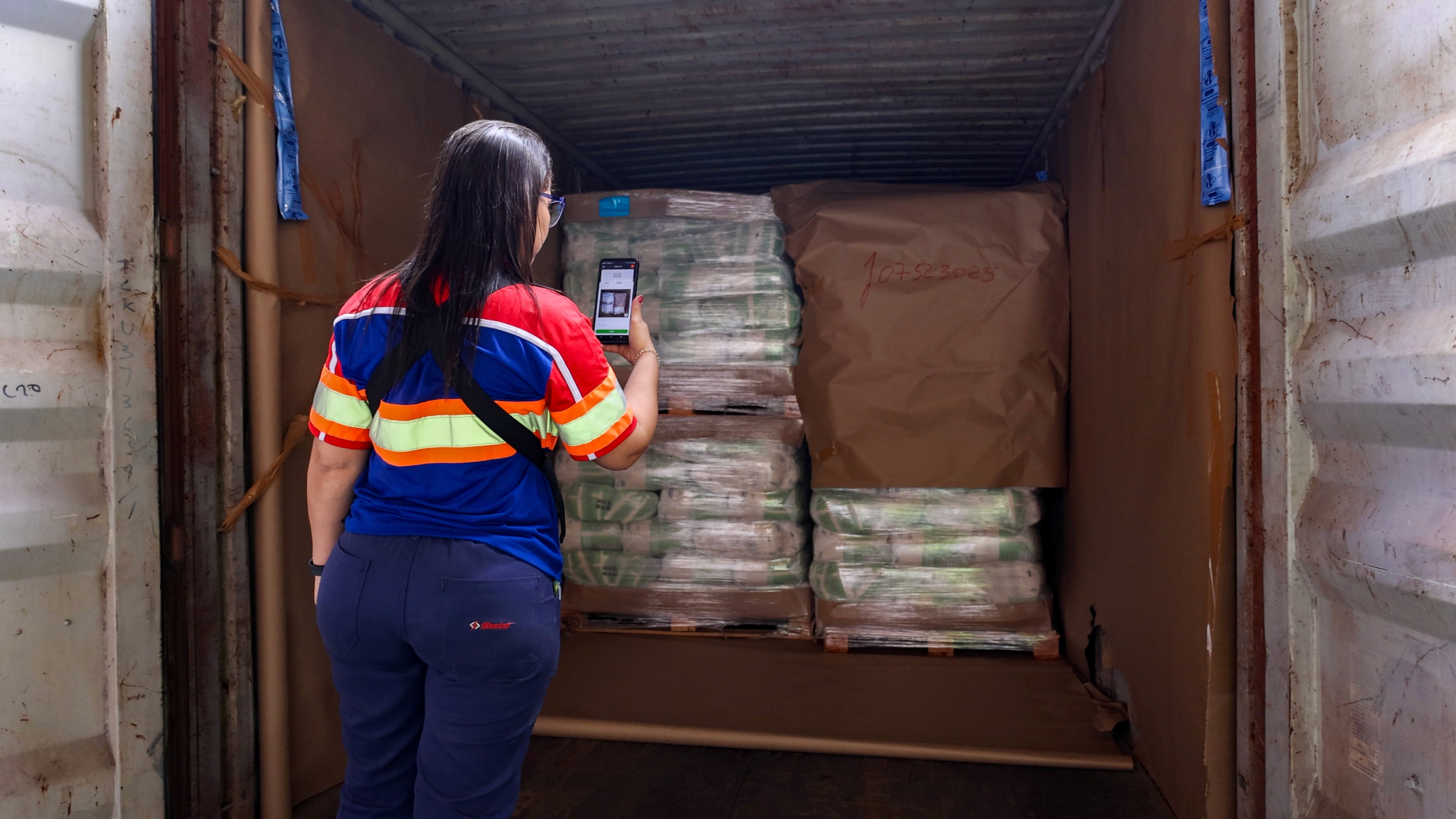
A material handling platform makes these costs measurable by capturing packaging condition at the moment of execution. When operators document packaging condition during receiving, including photos, timestamps, and simple condition notes, every handling moment becomes a data point instead of a one-off fix.
Over time, this execution data reveals where cost is actually coming from. Teams can see which suppliers, products, or shipment types consistently require extra handling. They can identify patterns in rework, delays, and damage risk that would otherwise remain hidden in daily operations.
By turning physical handling into structured data, a material handling platform connects packaging condition directly to labor, throughput, and cost-to-serve. This makes it possible to address root causes instead of repeatedly absorbing the same hidden costs.
When execution becomes visible, packaging condition stops being a subjective observation and becomes a measurable cost driver that teams can actively manage.