" height="15.65460401053985px" id="E2hITFMIY" width="89px"/><path d="M 15.154 0 L 6.296 0 C 5.965 0 5.657 0.167 5.473 0.446 C 5.289 0.725 5.255 1.078 5.38 1.389 C 5.43 1.511 5.504 1.621 5.598 1.714 C 5.783 1.903 6.034 2.01 6.296 2.01 L 13.158 2.01 C 12.949 3.493 12.28 4.868 11.247 5.936 L 11.198 5.987 L 11.149 6.037 C 10.099 7.086 8.747 7.765 7.29 7.977 C 5.94 8.177 4.562 7.968 3.329 7.374 C 2.634 7.038 1.998 6.588 1.447 6.041 L 1.398 5.99 L 0 7.414 C 0.221 7.641 0.455 7.854 0.699 8.054 C 0.908 8.224 1.126 8.39 1.351 8.542 C 1.967 8.962 2.632 9.301 3.332 9.552 C 3.972 9.784 4.637 9.938 5.312 10.013 C 5.971 10.089 6.635 10.089 7.293 10.013 C 8.711 9.856 10.07 9.353 11.254 8.545 C 11.739 8.214 12.192 7.837 12.605 7.417 C 12.829 7.192 13.039 6.954 13.235 6.703 C 13.405 6.492 13.563 6.272 13.711 6.044 C 14.506 4.84 15.001 3.458 15.155 2.016 C 15.192 1.682 15.21 1.346 15.21 1.01 C 15.209 0.673 15.19 0.335 15.155 0 Z" fill="rgb(8, 46, 57)" height="10.070297475553705px" id="SUqhhb7Az" transform="translate(2.507 7.93)" width="15.210335938094289px"/></g></g></svg>)
Material handling
The last blind spot: bringing material handling into the light
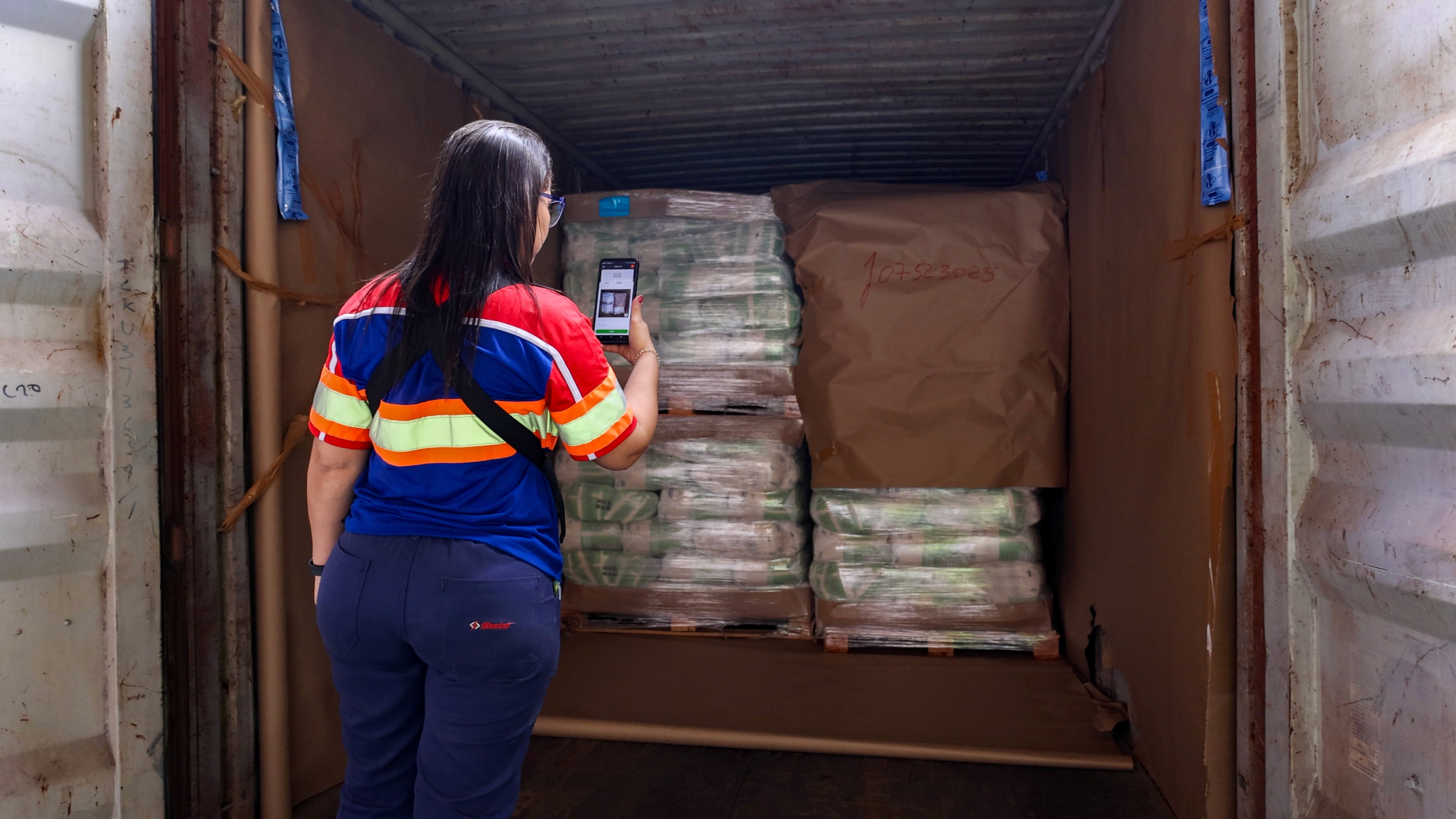
Amid all the high-tech control towers and end-to-end visibility solutions in logistics, a gaping blind spot remains: the moment of physical material handling. A container is opened. A pallet is inspected. An exception is noted at the dock. These are everyday scenes in warehouses and terminals around the world. They look simple, yet they determine whether the rest of the supply chain will run smoothly or fall into claims and rework.
Why the warehouse floor became the last black box
ERPs, WMSs, and TMSs track transactions and schedules. They manage SKUs, orders, invoices, and routes with impressive precision. But when goods are physically touched, the digital trail often stops. Teams rely on a photo on a personal phone, a clipboard note, or a WhatsApp message to capture what happened. The result is predictable: critical handling data slips through the cracks, making true operational visibility impossible.
The cost of not knowing “When it happened”
Material handling covers a wide range of activities. Goods are transferred from inbound docks to storage locations via unloading, cross-docking, and inventory placement processes. Quality teams document damage and packaging issues. Contractors perform temperature checks in cold chain facilities. Supervisors verify seals or compare item counts against packing lists and CMR documents. Each step is fast and human-driven. Each step is also vulnerable to shortcuts under time pressure.
When something goes wrong, the question is always the same: when did it happen? BI tools and control towers cannot answer these questions, because they receive no structured input from the source.
Seeing inside material handling
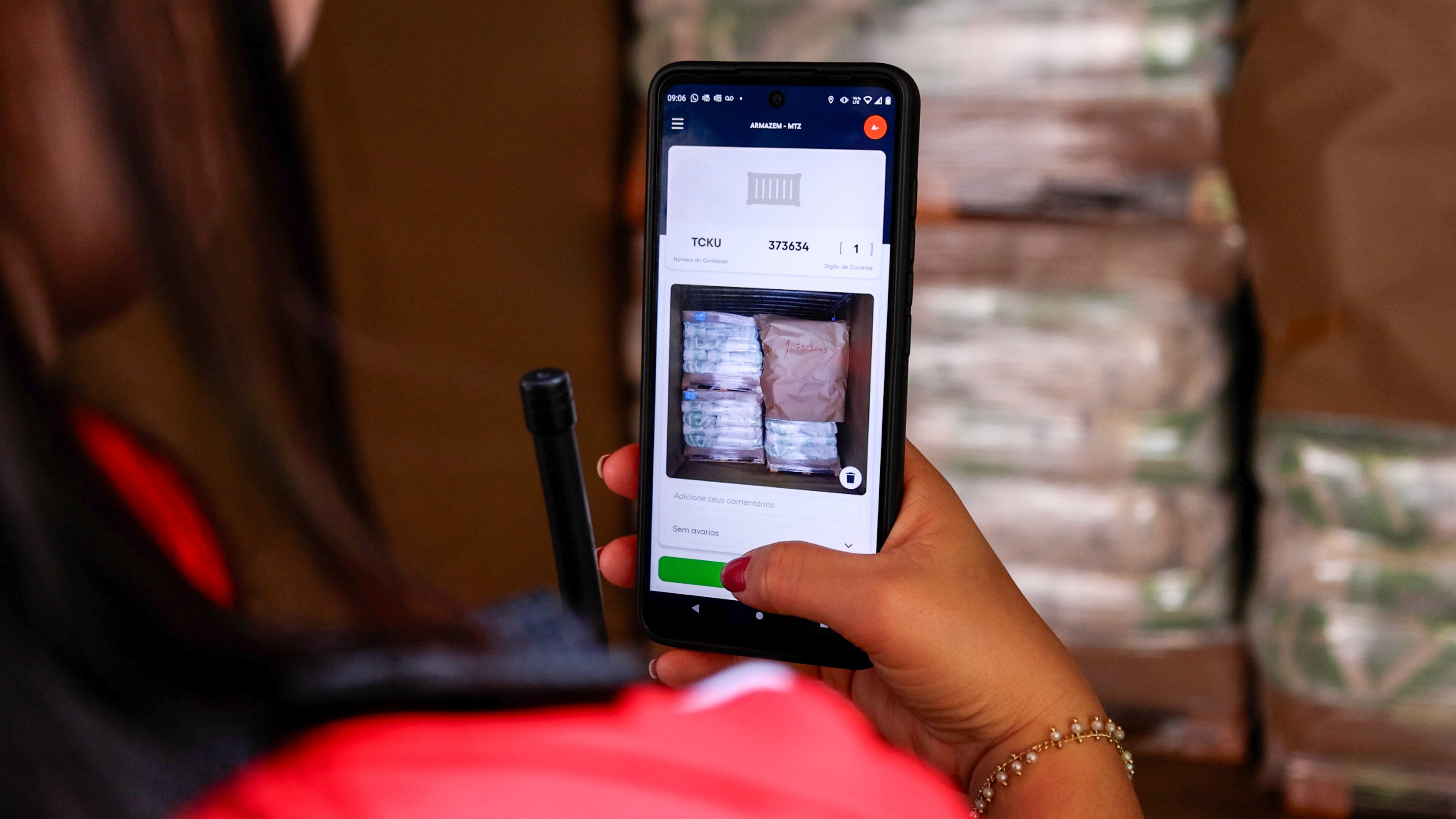
A new approach is emerging to illuminate this black box. Companies start to systematically capture every loading, damage , delay, and packaging condition; at the moment it occurs. These events are linked to real shipment entities — container codes, bill of lading id, CMR number, and pallet IDs — so proof becomes part of workflow instead of informal evidence.
This is exactly the role of a material handling platform. The platform records scans, forms, images, timestamps, hand-offs, and anomalies created during handling. It standardizes inspection criteria so one inspector no longer says “minor” while another says “reject.” It preserves the context supervisors need to manage high staff turnover environments and volatile contractor teams.
The impact is practical before it is strategic. Rework during receiving goods declines. Seal verification errors drop. Packaging anomalies become visible to managers across shifts and locations. Claims teams work with ground truth instead of defensive emails. OTIF (On Time In Full) can finally be linked to inspection discipline at the dock.
While the immediate benefits of improved material handling are operational, the true value emerges at the strategic level. By systematically capturing and analyzing handling events, organizations gain actionable insights into their processes. This transparency enables leaders to identify recurring issues, benchmark performance across sites, and drive targeted improvements.
Adding a layer to the logistics tech stack
Importantly, this platform does not replace WMS or ERP. It complements the logistics stack by feeding structured event data back into those transactional systems for audit and improvement. Control towers gain the next layer down — what happened when cargo was handled inside the node — enabling BI to reveal patterns that quietly impact cost-to-serve and service issues.
Material handling is the layer that absorbs every upstream disruption. Volume spikes from manufacturers. Delays in transport. New tariffs and global tensions. All land on the warehouse floor, where operators must react with little support.
Turning every touchpoint into a story
In essence, what gets measured gets done: when every touchpoint is visible and accountable, continuous improvement becomes embedded in the culture. Over time, this data-driven approach transforms material handling from a cost center into a source of competitive advantage, supporting better service, lower costs, and stronger customer relationships.