Digital transformation
How can I move away from paper-based cargo inspections?
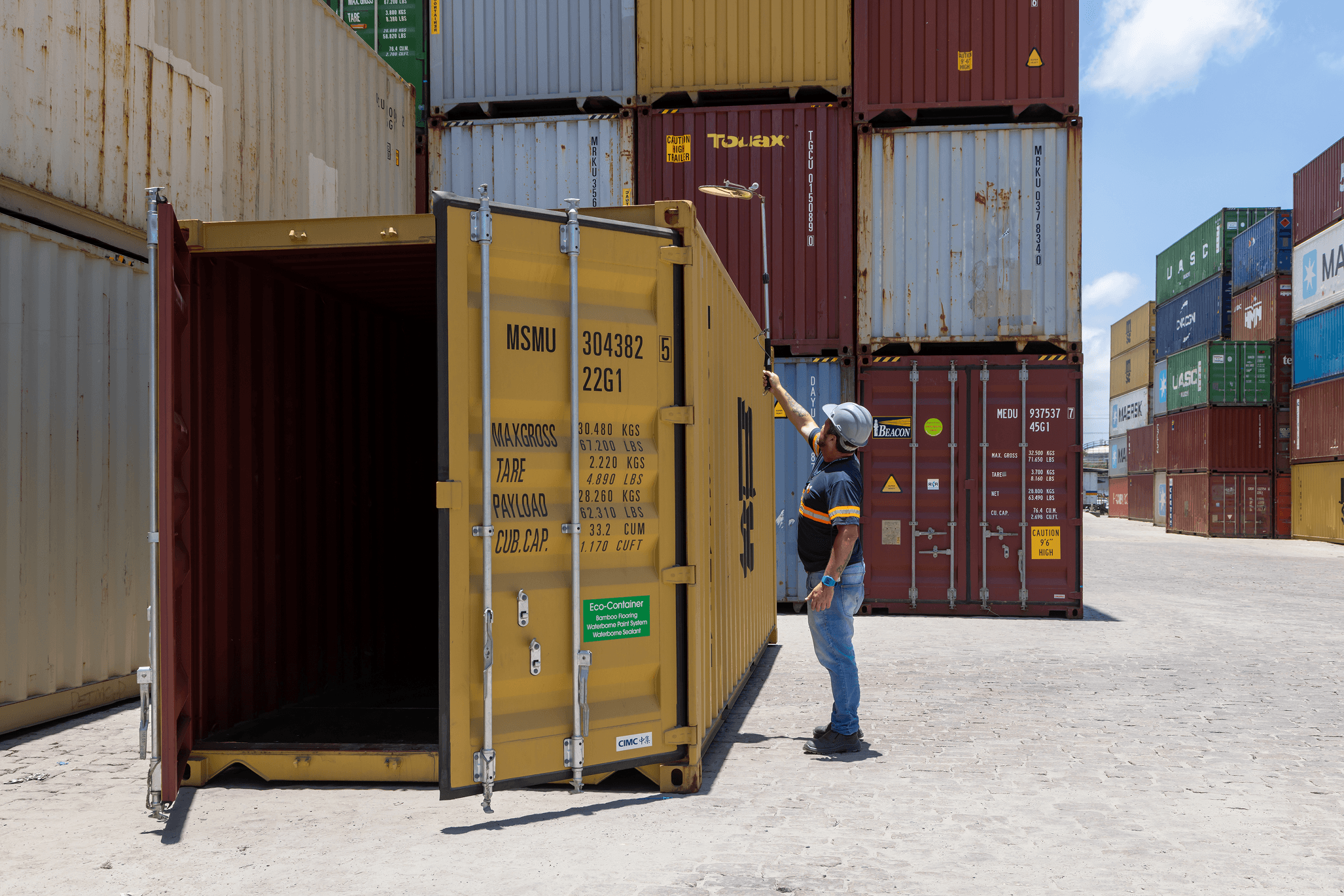
Moving away from paper-based cargo inspections means replacing manual checklists, loose photos, and physical files with a digital workflow that captures all inspection data in one place. Instead of printing forms and retyping results, teams use an app to record checks, photos, and comments in real time. This reduces errors, speeds up processing, and gives everyone instant access to inspection proof.
Why paper-based cargo inspections hold you back
Paper feels familiar, but it quietly creates friction in daily operations. Forms get lost or damaged, handwriting is misread, and important photos stay on someone’s phone or in a WhatsApp thread. Retrieval is slow, filing is manual, and sharing information across sites or partners becomes a recurring headache. With cargo volumes that grow every year, these small issues add up to delays, compliance risks, and frustrated customers.
Typical problems with paper-based inspections:
Lost or incomplete documents
Manual errors during checks and data entry
Delays sharing results with other teams or partners
Difficulty storing and retrieving past inspections
Limited visibility when operations span multiple locations
The benefits of going digital
Switching from paper to digital inspections is not just a tech upgrade. It directly improves accuracy, speed, and control.
Greater accuracy
Digital forms use structured fields, drop-downs, and validation rules, so inspectors can’t skip mandatory questions or enter invalid values. This makes inspections more consistent and reduces rework.
Improved security
Digital records are encrypted, backed up, and protected by permissions. Unlike paper, they can’t be misplaced in transit or damaged in storage. Access can be controlled per role and location.
Cost savings
Going digital removes printing, physical storage, and manual retyping. Companies that replace paper with digital inspections have reported cost reductions of up to 35%, freeing up budget for other priorities.
Real-time tracking and visibility
Once inspections are completed, the results are available instantly to teams anywhere. Operations, quality, and customer-facing teams see the same information at the same time, which speeds up decisions and responses.
Better integration
Digital inspection tools can connect to your warehouse, transport, or cargo management systems. Instead of isolated forms, inspection data flows automatically into the systems you already use.
Sustainability
Using fewer printed forms and physical archives lowers paper, ink, and storage waste. Digital inspections support broader sustainability goals while also making reporting easier.
How to start your transition
You don’t have to digitize everything at once. A structured, step-by-step approach helps teams adapt smoothly.
Assess your current inspection process
Map where paper is used today. Which inspections cause the most delays, errors, or complaints? Which forms are used most often? This gives you a clear starting point.
Choose the right digital tools
Look for tools that support your type of inspections, can handle photos and data in one place, and integrate with your existing systems. Make sure the solution works well on the devices your teams already use.
Digitize your forms
Convert paper checklists into digital workflows. Add logic and validation (mandatory questions, predefined options, limits for values) so the system helps prevent mistakes instead of just recording them.
Train and support your team
Introduce the new process with clear expectations and hands-on guidance. Short, practical training sessions and real examples work better than long manuals. Keep feedback loops open in the first weeks.
Pilot before scaling
Start small, perhaps with one warehouse or cargo route, and refine the process before expanding.
Track KPIs
Monitor key metrics such as inspection time, error rates, and compliance issues to measure the impact.
Real-world impact
Shifting from paper-based inspections to digital processes delivers immediate, measurable advantages. Here are some of the key results:
40% faster processing time
X2 faster inspections
50% cost reduction
50% increase in employee performance
These improvements don’t just make inspections smoother. They remove bottlenecks, shorten lead times, and help teams handle more volume with the same resources. Leaving paper behind is not just about convenience. It’s a strategic step toward more reliable operations, better data, and stronger customer relationships. Whether you run a single terminal or manage multiple warehouses and routes, digital inspections give you the visibility and control that paper can’t match.
If you want to see what a digital cargo inspection workflow looks like in practice, have a quick look here