" height="15.65460401053985px" id="E2hITFMIY" width="89px"/><path d="M 15.154 0 L 6.296 0 C 5.965 0 5.657 0.167 5.473 0.446 C 5.289 0.725 5.255 1.078 5.38 1.389 C 5.43 1.511 5.504 1.621 5.598 1.714 C 5.783 1.903 6.034 2.01 6.296 2.01 L 13.158 2.01 C 12.949 3.493 12.28 4.868 11.247 5.936 L 11.198 5.987 L 11.149 6.037 C 10.099 7.086 8.747 7.765 7.29 7.977 C 5.94 8.177 4.562 7.968 3.329 7.374 C 2.634 7.038 1.998 6.588 1.447 6.041 L 1.398 5.99 L 0 7.414 C 0.221 7.641 0.455 7.854 0.699 8.054 C 0.908 8.224 1.126 8.39 1.351 8.542 C 1.967 8.962 2.632 9.301 3.332 9.552 C 3.972 9.784 4.637 9.938 5.312 10.013 C 5.971 10.089 6.635 10.089 7.293 10.013 C 8.711 9.856 10.07 9.353 11.254 8.545 C 11.739 8.214 12.192 7.837 12.605 7.417 C 12.829 7.192 13.039 6.954 13.235 6.703 C 13.405 6.492 13.563 6.272 13.711 6.044 C 14.506 4.84 15.001 3.458 15.155 2.016 C 15.192 1.682 15.21 1.346 15.21 1.01 C 15.209 0.673 15.19 0.335 15.155 0 Z" fill="rgb(8, 46, 57)" height="10.070297475553705px" id="SUqhhb7Az" transform="translate(2.507 7.93)" width="15.210335938094289px"/></g></g></svg>)
Melhores práticas
Como documentar avarias na carga durante o recebimento
Documentar danos à carga durante o recebimento é uma das etapas mais importantes para proteger sua operação contra reclamações, disputas e custos desnecessários. O segredo é registrar o que você vê, quando você vê, antes que a carga avance ainda mais no processo.
Abaixo está uma maneira simples e testada em campo de fazer isso corretamente.
Por que documentar danos no recebimento importa
A maioria das reclamações por danos à carga falha por um motivo: não há prova clara da condição no momento da entrega.
Depois que a carga é descarregada, armazenada ou reembalada, fica difícil provar:
Quando o dano ocorreu
Qual era a condição na chegada
Quem era o responsável naquele momento
Uma boa documentação transforma suposições em fatos.
Passo a passo: como documentar avarias na carga durante o recebimento
1. Inspecione imediatamente na descarga
Verifique a carga enquanto ela está sendo descarregada, não depois. Procure por:
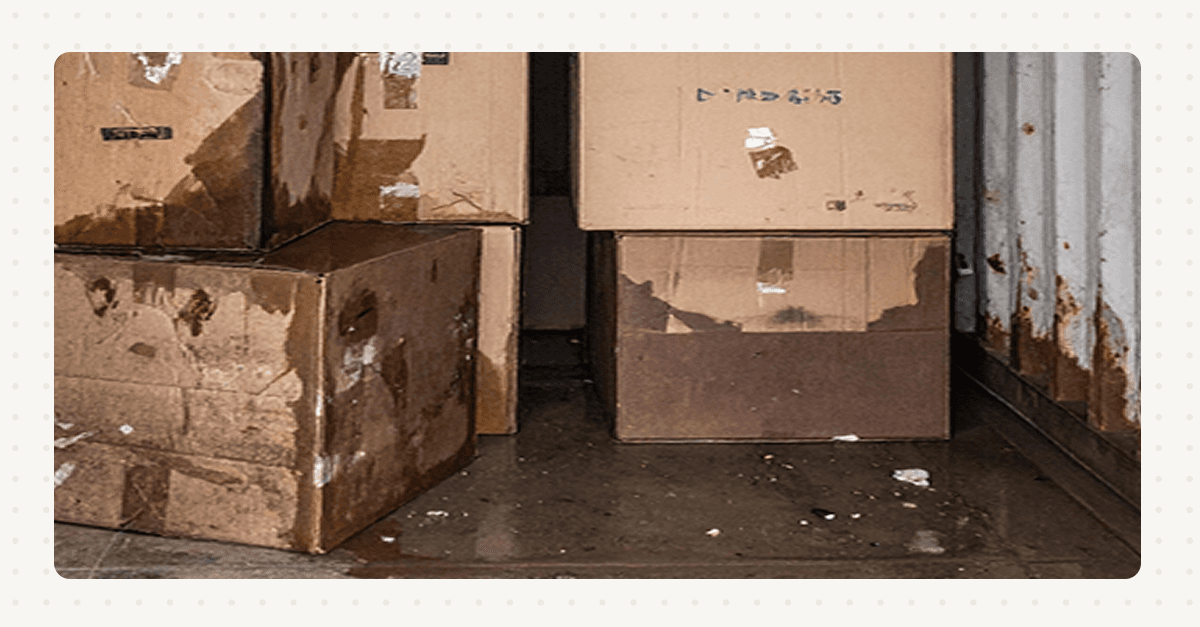
Embalagens quebradas ou amassadas
Caixas molhadas, manchadas ou rasgadas
Pallets deslocados ou instáveis
Danos visíveis ao produto
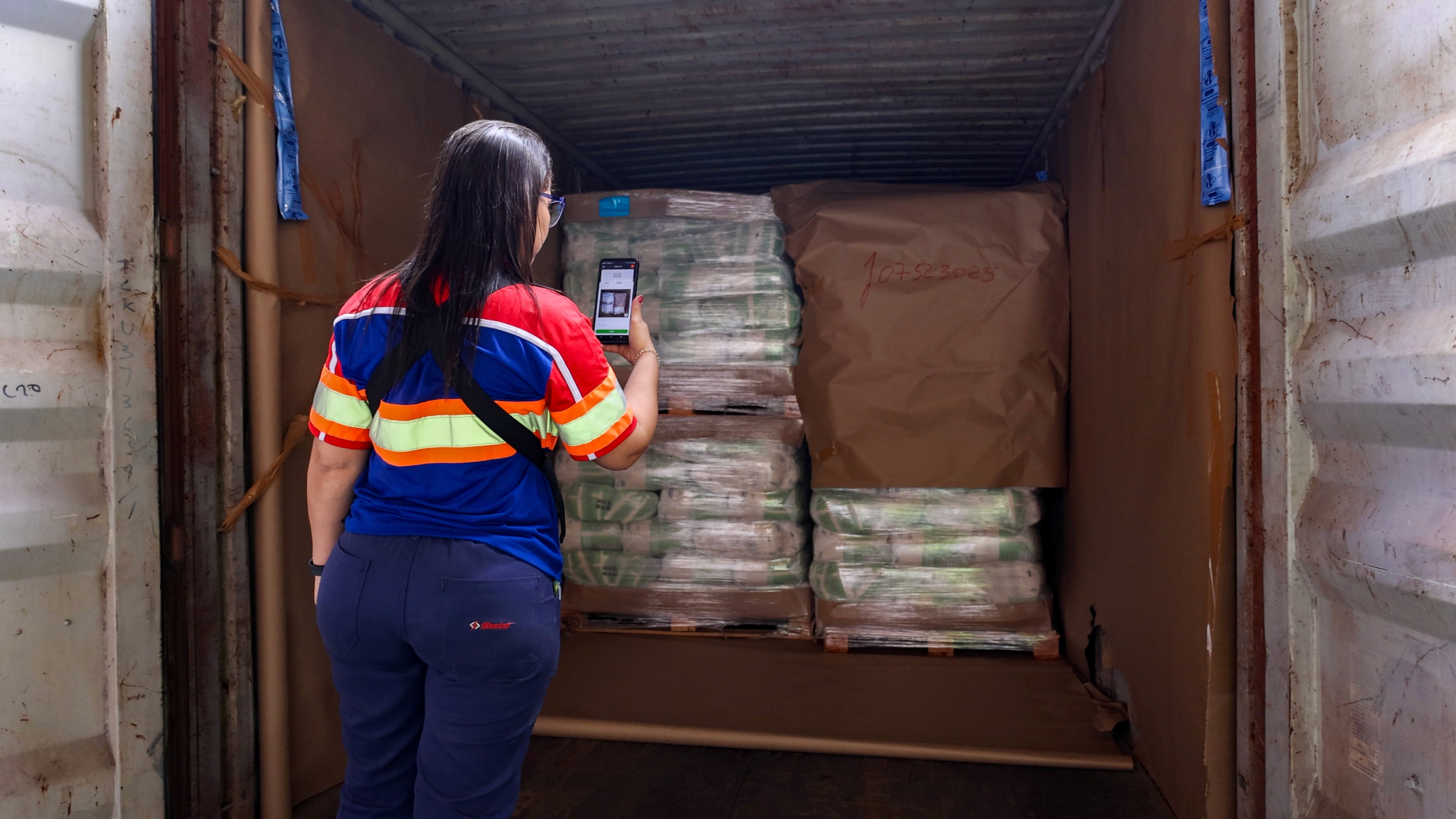
2. Tire fotos nítidas
As fotos são a forma mais forte de prova. Certifique-se de registrar:
A área danificada (close-up)
O pallet ou item completo (contexto)
Interior do contêiner ou do caminhão, se aplicável
Lacres, etiquetas e referências da remessa
As fotos devem ser tiradas antes de reembalar ou movimentar a carga.
3. Registre horário, local e detalhes da remessa
Sempre vincule a avaria ao exato momento do recebimento:
Data e hora da inspeção
Local (doca, armazém, terminal)
Número da remessa ou do contêiner
Referência de entrega ou de reserva
4. Descreva a avaria com clareza
Use descrições curtas e factuais. Evite suposições.
Exemplo:
“Duas caixas amassadas no canto inferior esquerdo do pallet. Embalagem rasgada. Produto interno exposto.”
5. Registre a avaria imediatamente
Certifique-se de que a avaria esteja:
Registrada no comprovante de recebimento
Comunicada internamente (Operações / Sinistros / Atendimento ao Cliente)
Reportada antes de a carga seguir adiante
Erros comuns a evitar
Tirar fotos depois de reembalar
Falta de carimbos de data/hora ou referências da remessa
Confiar na memória em vez da documentação
Comece a documentar danos à carga hoje
Para facilitar isso no chão de fábrica, reunimos um modelo simples de documentação de danos à carga que os operadores podem usar durante o recebimento para registrar fotos, observações, carimbos de data/hora e detalhes da remessa em um só lugar.