" height="15.65460401053985px" id="E2hITFMIY" width="89px"/><path d="M 15.154 0 L 6.296 0 C 5.965 0 5.657 0.167 5.473 0.446 C 5.289 0.725 5.255 1.078 5.38 1.389 C 5.43 1.511 5.504 1.621 5.598 1.714 C 5.783 1.903 6.034 2.01 6.296 2.01 L 13.158 2.01 C 12.949 3.493 12.28 4.868 11.247 5.936 L 11.198 5.987 L 11.149 6.037 C 10.099 7.086 8.747 7.765 7.29 7.977 C 5.94 8.177 4.562 7.968 3.329 7.374 C 2.634 7.038 1.998 6.588 1.447 6.041 L 1.398 5.99 L 0 7.414 C 0.221 7.641 0.455 7.854 0.699 8.054 C 0.908 8.224 1.126 8.39 1.351 8.542 C 1.967 8.962 2.632 9.301 3.332 9.552 C 3.972 9.784 4.637 9.938 5.312 10.013 C 5.971 10.089 6.635 10.089 7.293 10.013 C 8.711 9.856 10.07 9.353 11.254 8.545 C 11.739 8.214 12.192 7.837 12.605 7.417 C 12.829 7.192 13.039 6.954 13.235 6.703 C 13.405 6.492 13.563 6.272 13.711 6.044 C 14.506 4.84 15.001 3.458 15.155 2.016 C 15.192 1.682 15.21 1.346 15.21 1.01 C 15.209 0.673 15.19 0.335 15.155 0 Z" fill="rgb(8, 46, 57)" height="10.070297475553705px" id="SUqhhb7Az" transform="translate(2.507 7.93)" width="15.210335938094289px"/></g></g></svg>)
Documentação de carga
Como documentar a condição da carga na entrega: um guia passo a passo para equipes de operações de 3PL

Documentar corretamente a condição da carga na entrega significa registrar evidências estruturadas, com carimbo de data e hora e rastreáveis, no momento em que a carga muda de mãos. Não depois. Não quando for conveniente. No momento. Este guia cobre exatamente o que capturar, em que ordem e por que cada etapa importa quando uma reclamação é aberta.
Por que a documentação de transferência falha na maioria das operações
A maioria das equipes documenta a condição da carga de forma reativa. Algo parece errado, alguém tira uma foto. Uma reclamação é aberta, alguém procura evidências. A documentação acontece em torno dos problemas, em vez de ser um processo padrão para cada transferência.
O resultado é que, quando uma transportadora contesta a responsabilidade, a evidência ou não existe, ou não pode ser vinculada ao embarque específico, ou não pode ser verificada como precisa. O dano foi real. A prova não estava lá.
A documentação estruturada de transferência significa que cada transferência produz a mesma evidência, independentemente de quem está de plantão, de que horas são ou de parecer que algo está errado. A prova é criada antes de ser necessária, não depois.
O que registrar em cada ponto de transferência
Etapa 1 — Verifique e registre a referência da remessa
Antes de documentar qualquer outra coisa, confirme a referência da remessa. Esse pode ser o número do contêiner, a referência do conhecimento de embarque, a placa do veículo ou o número do CMR, dependendo do tipo de transferência. Cada evidência registrada nas etapas seguintes precisa estar vinculada a essa referência. Sem isso, a documentação existe, mas não pode ser associada a uma movimentação específica.
Etapa 2 — Inspecione e registre a condição do lacre
Confira o número do lacre com os documentos de transporte. Registre se o lacre está íntegro, rompido ou ausente. Fotografe o lacre em contexto, de perto o suficiente para ler o número e de longe o bastante para mostrar o contêiner ou veículo a que ele pertence. Anote qualquer divergência imediatamente. Um lacre rompido ou divergente na chegada é uma das evidências mais importantes em uma reclamação contestada e uma das mais frequentemente não documentadas.
Etapa 3 — Documente a condição externa antes de abrir
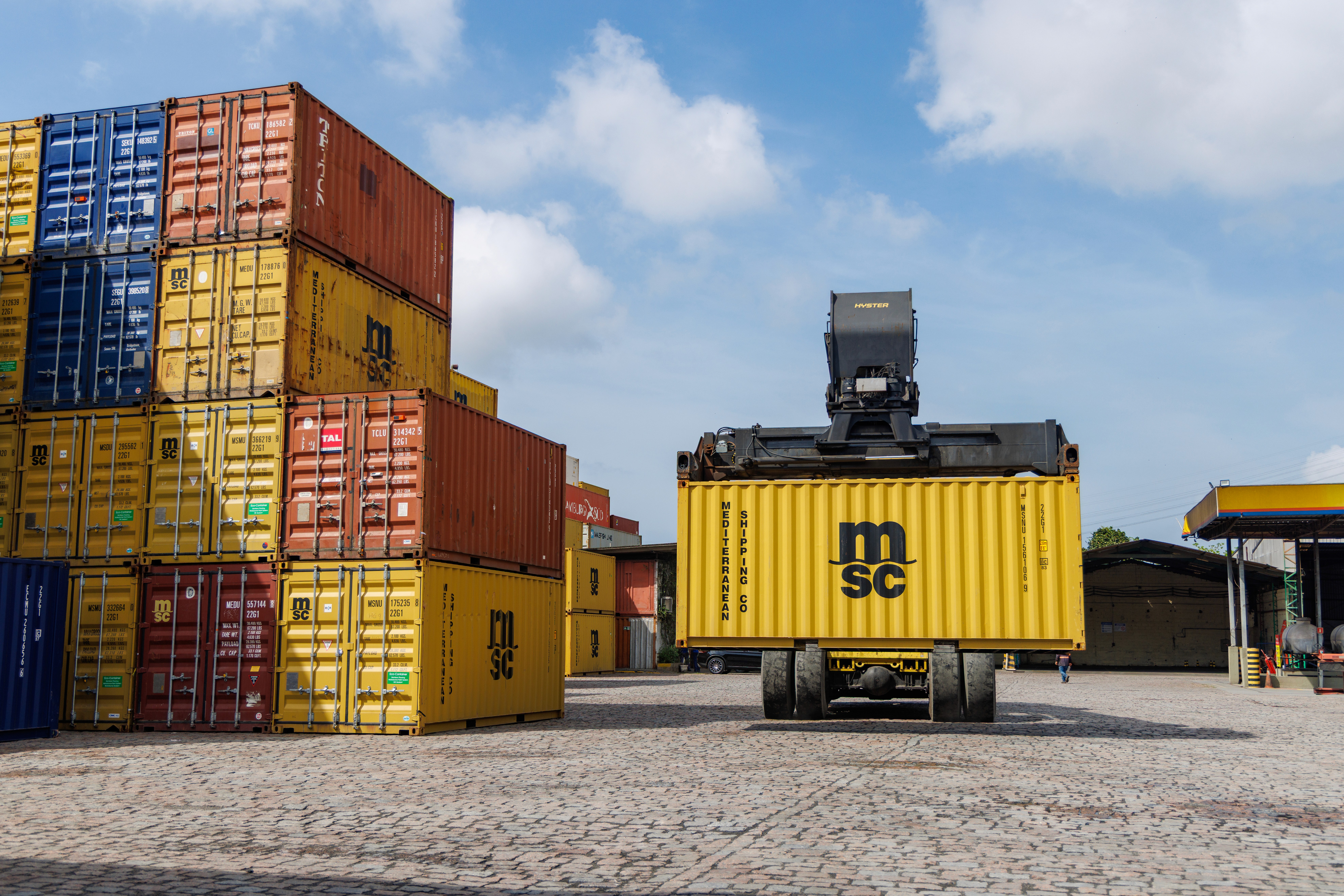
Antes de abrir o contêiner ou veículo, fotografe a condição externa de vários ângulos. Frente, laterais, portas traseiras, teto, se acessível. Anote qualquer dano visível à estrutura, amassados, furos ou sinais de arrombamento. Isso estabelece a condição da unidade antes de sua equipe assumir a responsabilidade pela carga no interior.
Etapa 4 — Documente a condição interna na abertura
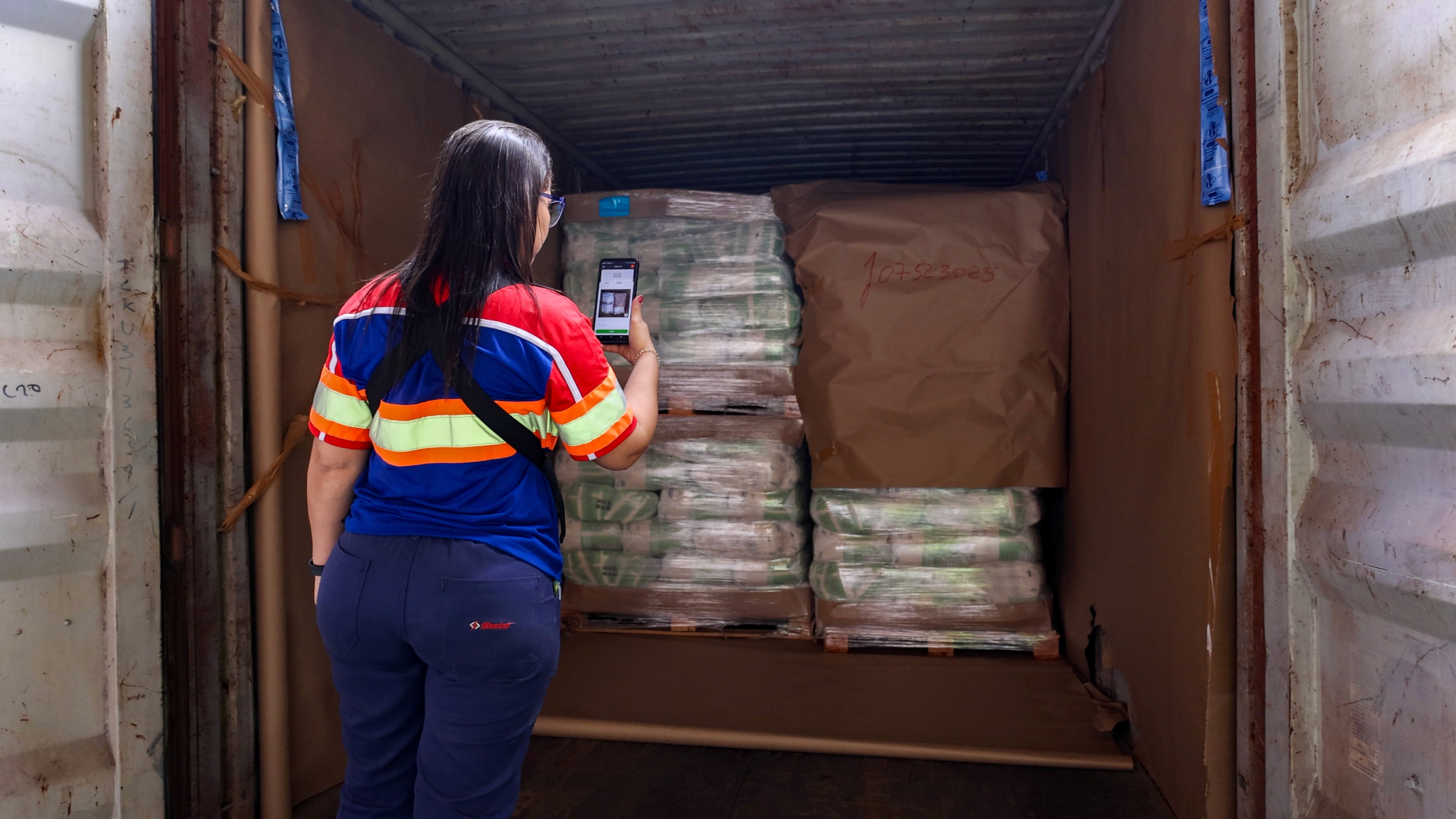
No momento em que as portas forem abertas, fotografe a carga interna antes de qualquer coisa ser movimentada. Capture a carga completa a partir da porta e, em seguida, faça fotos de perto de qualquer dano visível, carga deslocada, manchas de umidade ou irregularidades na embalagem. A data e hora nessas fotos estabelecem exatamente quando sua equipe observou pela primeira vez a condição interna.
Etapa 5 — Realize a inspeção e registre as constatações
Siga uma lista de verificação estruturada que cubra a condição da embalagem, a contagem da quantidade em relação à lista de embalagem, evidências de dano, problemas de temperatura, se aplicável, e qualquer outra condição relevante para o tipo de carga. Registre as constatações item por item, e não como uma observação genérica. "Carga em boas condições" não é um registro útil. "24 paletes recebidos, 2 paletes com dano visível nos cantos da embalagem externa, fotografados e anotados" é.
Etapa 6 — Anote qualquer dano no comprovante de entrega (POD) antes de assinar
Se qualquer dano ou divergência for encontrado, registre isso explicitamente no comprovante de entrega antes de o motorista sair. Seja específico. "Danificado" não é suficiente. "2 paletes com dano nos cantos, embalagem externa esmagada, condição do produto interno desconhecida até a abertura" fornece algo sobre o qual construir uma reclamação. Depois que o motorista for embora e o POD for assinado sem observações, sua capacidade de responsabilizar a transportadora por danos visíveis fica significativamente reduzida.
Etapa 7 — Armazene tudo vinculado à referência da remessa
Todas as fotos, notas de inspeção e registros do POD precisam ser armazenados em um único local vinculado à referência da remessa da Etapa 1. Um grupo do WhatsApp, a galeria pessoal da câmera e uma thread de e-mail são três lugares separados que ninguém consegue pesquisar quando uma reclamação é aberta seis semanas depois. O registro precisa estar em um só lugar, conectado à remessa e acessível sem precisar perguntar à pessoa que estava de turno naquele dia.
O que fazer quando danos ocultos são descobertos após a abertura da embalagem
Se o dano for encontrado depois que a carga tiver sido desembalada e aceita, aja imediatamente. Fotografe tudo antes de mover ou descartar qualquer embalagem. Anote a referência do embarque, a data e a hora da descoberta e uma descrição do dano. Notifique a transportadora por escrito em até 24 horas. A maioria das transportadoras tem uma janela de 5 a 7 dias para reclamações por danos ocultos, mas a intenção de reclamar precisa ser comunicada imediatamente. Guarde toda a embalagem até que um inspetor a tenha vistoriado. Descartar mercadorias danificadas ou a embalagem antes de a reclamação ser resolvida pode invalidá-la por completo.
Uma lista prática de verificação para documentação de entrega
Referência do embarque confirmada e registrada antes do início da inspeção.
Número do lacre conferido com os documentos de envio e fotografado no contexto.
Condição externa do contêiner ou veículo fotografada antes da abertura das portas.
Condição interna fotografada no momento da abertura, antes de a carga ser movida.
Inspeção estruturada concluída item por item em relação à lista de embalagem.
Qualquer dano ou divergência anotado no comprovante de entrega antes da assinatura.
Todas as fotos e registros de inspeção armazenados em um único local vinculados à referência do embarque.
O motorista só saiu depois que o POD foi assinado com a anotação correta da condição.
Veja mais listas de verificação aqui
Em resumo
A documentação da entrega não se trata de tirar mais fotos. Trata-se de criar um registro estruturado que conecte cada evidência a um embarque específico em um momento específico. As equipes que fazem isso de forma consistente não perdem tempo reconstruindo o que aconteceu quando uma reclamação é aberta. O registro já está lá.