Best practices
How to thrive with a small warehouse team

Having a lean warehouse team doesn’t have to slow you down. If you set up smart processes, smart tools, and strong routines. By simplifying workflows, leveraging digital tools, using flexible staffing or automation, and making work easier for everyone, even a small crew can deliver consistency, compliance, and speed. You don’t need more people. Just better design.
Why warehouse staff shortages are so common
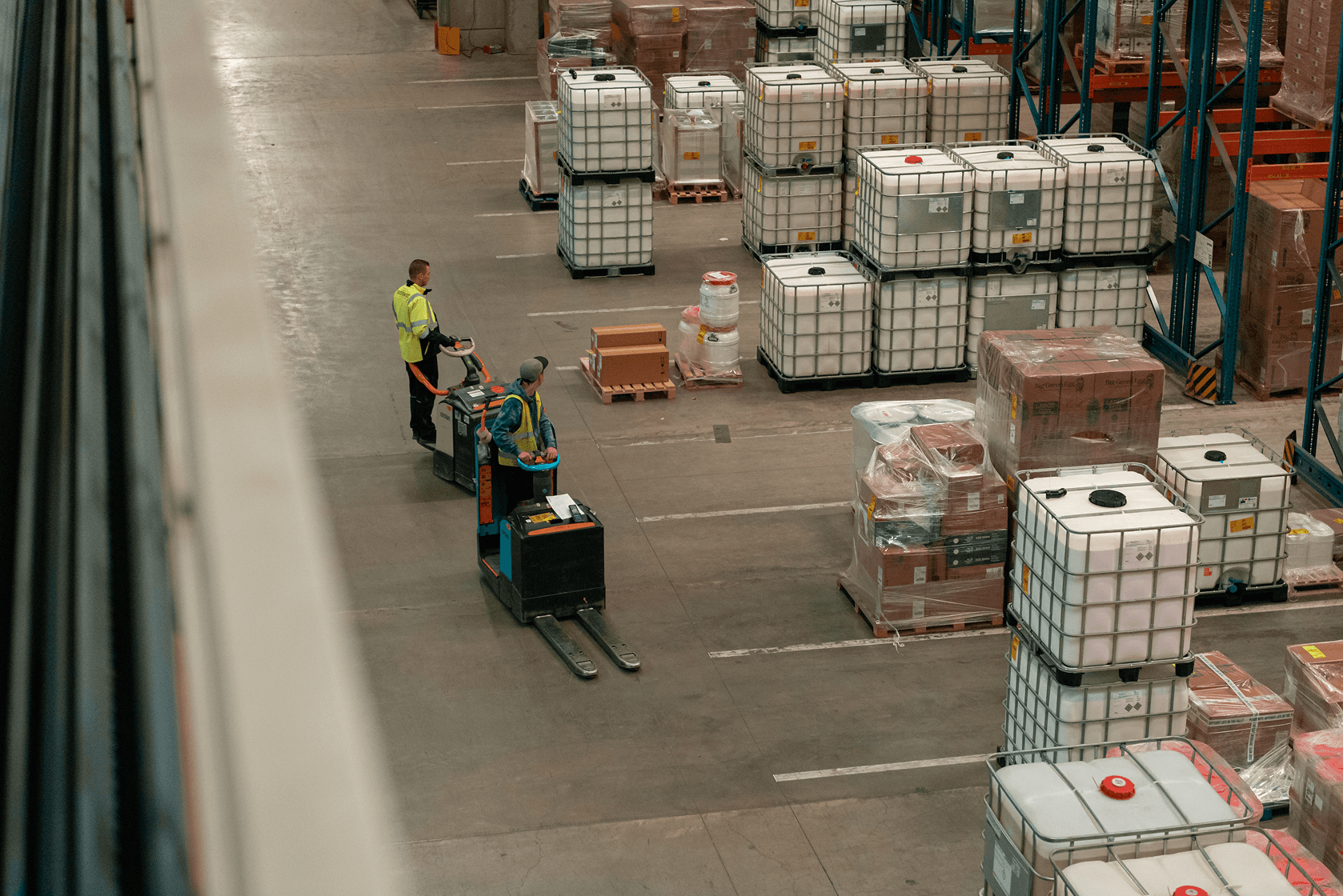
Many warehouses either from LSPs or Shippers/Manufacturers face the same dilemma: high turnover, part-time workers, temporary staffing, and growing compliance demands. That often results in:
Mistakes during checks or inspections (hygiene, packaging, cold-chain, etc.) because new or under-trained staff don’t follow the process.
Delays and inefficiency when everyone’s still learning, slowing down the entire operation.
Compliance and quality risks, which become particularly dangerous with food, perishable, or regulated goods.
But the good news is this doesn’t mean you’re stuck. There are practical, proven ways to not just survive but thrive with a small team.
How to thrive when you don’t have a big warehouse crew
1. Simplify & standardize your workflows
Why it helps: Complex workflows leave room for error, especially when staff churn is high. Standardization reduces mistakes and makes onboarding easier.
What to do:
Break down processes into clear, simple steps (e.g. Receiving → Inspection → Storage → Loading).
Use workflow checklists instead of freeform instructions — this helps even new staff follow correctly.
Document the process, including pictures or flow diagrams if possible — this helps training and consistency.
Outcome: Work becomes predictable, mistakes drop, and new team members get up to speed faster.
2. Leverage digital tools for inspections, reporting & tracking
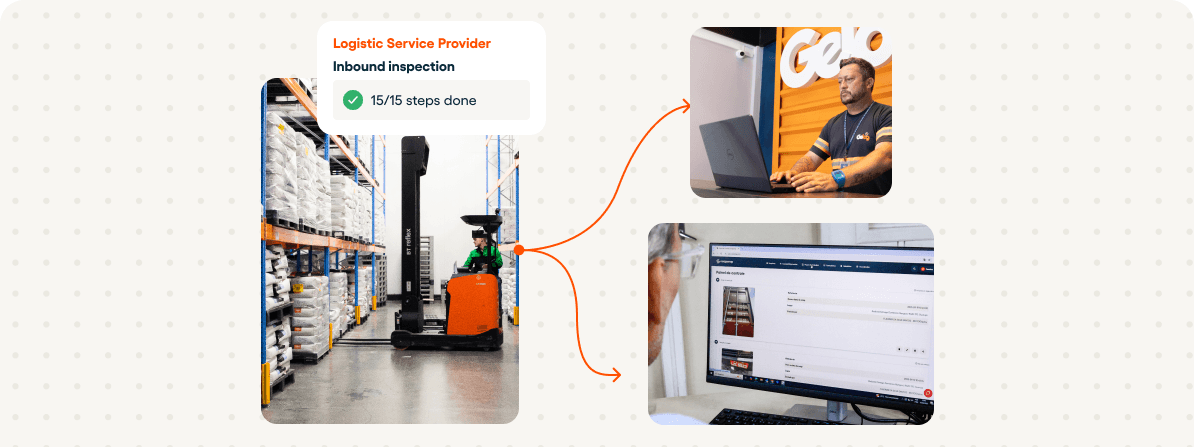
With fewer people, you need systems that help you do more with less. Digital tools — checklists, inspection apps, photo-based reporting, workflow tracking — help create structure, traceability, and speed.
Why it helps:
Ensures inspections aren’t skipped or done inconsistently.
Provides instant record, proof, and traceability — useful for audits, claims, or customer checks.
Reduces time spent on admin work (paper, spreadsheets, filing).
What to do:
Use a digital inspection and reporting tool (on mobile/tablet) instead of paper.
Make photo-evidence mandatory for key steps (receiving, loading, cold-chain, hygiene).
Ensure every action is timestamped and logged under the user. This builds accountability even with a small team.
Outcome: You maintain quality and compliance without relying solely on experienced staff.
3. Use flexible staffing, smart shifts and incentives
When workforce is scarce or temporary adapt the structure instead of forcing ideal conditions.
What works:
Use part-time, seasonal, or temporary workers for peaks; cross-train full-time staff so they can rotate roles.
Offer incentives for reliability, performance, and quality. Not just speed.
Keep shifts flexible. Many workers appreciate flexibility more than rigid schedules.
Why it works: This lowers turnover, helps manage costs, and reduces burnout while keeping operations stable.
4. Automate repetitive tasks where you can
Even small automation or digital help can make a big difference when headcount is tight. From simple digital checklists to more advanced tools like scanning systems, barcode/RFID checks, or warehouse management systems (WMS). Use what gives you the biggest impact first.
What to do:
Automate inventory tracking where possible
Use digital tools for reporting and inspections
Consider automating repetitive, heavy, or error-prone tasks
Outcome: Less pressure on staff, fewer mistakes, and more consistent output.
5. Build a positive, supportive work environment — even with few people
Small teams often struggle with pressure and burnout. Fix that by focusing on support, clarity, and fairness.
What to do:
Provide simple training and clear instructions
Recognize good work (correct inspections, compliance, care)
Encourage feedback and continuous improvement
Build routines that reduce stress and improve predictability
Benefit: People stay longer, work better, and feel more ownership — which reduces turnover and improves consistency.
Rethink your operations
Running a warehouse with a lean team isn’t easy. But with clarity, structure, digital tools, smart staffing, and a people-first mindset, you don’t just survive: you build a robust, efficient, and scalable operation.
Staffing shortages are a big challenge … but also an invitation to rethink how you run operations. When done right, a small team and smart systems can lead to reliability, compliance, and growth.
Want help building your own "lean team with high standards" warehouse setup? We’d love to walk you through a sample workflow. Contact us here