" height="15.65460401053985px" id="E2hITFMIY" width="89px"/><path d="M 15.154 0 L 6.296 0 C 5.965 0 5.657 0.167 5.473 0.446 C 5.289 0.725 5.255 1.078 5.38 1.389 C 5.43 1.511 5.504 1.621 5.598 1.714 C 5.783 1.903 6.034 2.01 6.296 2.01 L 13.158 2.01 C 12.949 3.493 12.28 4.868 11.247 5.936 L 11.198 5.987 L 11.149 6.037 C 10.099 7.086 8.747 7.765 7.29 7.977 C 5.94 8.177 4.562 7.968 3.329 7.374 C 2.634 7.038 1.998 6.588 1.447 6.041 L 1.398 5.99 L 0 7.414 C 0.221 7.641 0.455 7.854 0.699 8.054 C 0.908 8.224 1.126 8.39 1.351 8.542 C 1.967 8.962 2.632 9.301 3.332 9.552 C 3.972 9.784 4.637 9.938 5.312 10.013 C 5.971 10.089 6.635 10.089 7.293 10.013 C 8.711 9.856 10.07 9.353 11.254 8.545 C 11.739 8.214 12.192 7.837 12.605 7.417 C 12.829 7.192 13.039 6.954 13.235 6.703 C 13.405 6.492 13.563 6.272 13.711 6.044 C 14.506 4.84 15.001 3.458 15.155 2.016 C 15.192 1.682 15.21 1.346 15.21 1.01 C 15.209 0.673 15.19 0.335 15.155 0 Z" fill="rgb(8, 46, 57)" height="10.070297475553705px" id="SUqhhb7Az" transform="translate(2.507 7.93)" width="15.210335938094289px"/></g></g></svg>)
Tenders & Procurement
The missing section in your Logistics Tender

The moment a logistics service provider takes custody of your goods, they're liable for their condition for as long as they hold them. That's not news. Most manufacturers already know it, and it's usually already sitting somewhere in the contract terms before a tender is even written.
Which is exactly the problem. Because liability is assumed, most tenders don't spend any time defining what happens next. And what happens next is the part that actually protects you.
Why an accepted liability clause doesn't do much on its own
A liability clause in a tender is legal boilerplate. It sits there, unused, until a shipment arrives damaged and someone has to figure out what actually happened while your cargo was out of your hands. At that point, you're not enforcing a clause. You're arguing over it, because nobody was ever required to document anything, and the LSP's word is the only account of what happened.
That's the distinction worth sitting with: liability without visible evidence isn't enforceable. It's just an assumption, right up until something goes wrong, and then it's a dispute with no record to settle it.
Extending liability into visibility
The gap isn't that your LSP won't accept responsibility. They already do, by default, the moment they take custody. The gap is that nothing in your tender requires them to show you that responsibility being met.
This is the shift worth naming clearly: liability into visibility. Not asking your LSP to take on something new, but asking them to make the thing they already accept checkable. It's not just their responsibility to keep your goods in good condition. It's also their responsibility to show you whether they are or aren't, at the points where that responsibility actually changes hands.
That reframing matters because it's easy to agree with. You're not introducing a new standard for your LSP to negotiate against. You're closing a gap in something everyone already signed off on.

What visible proof actually looks like
In practice, this comes down to two moments, not a vague instruction to "inspect every shipment."
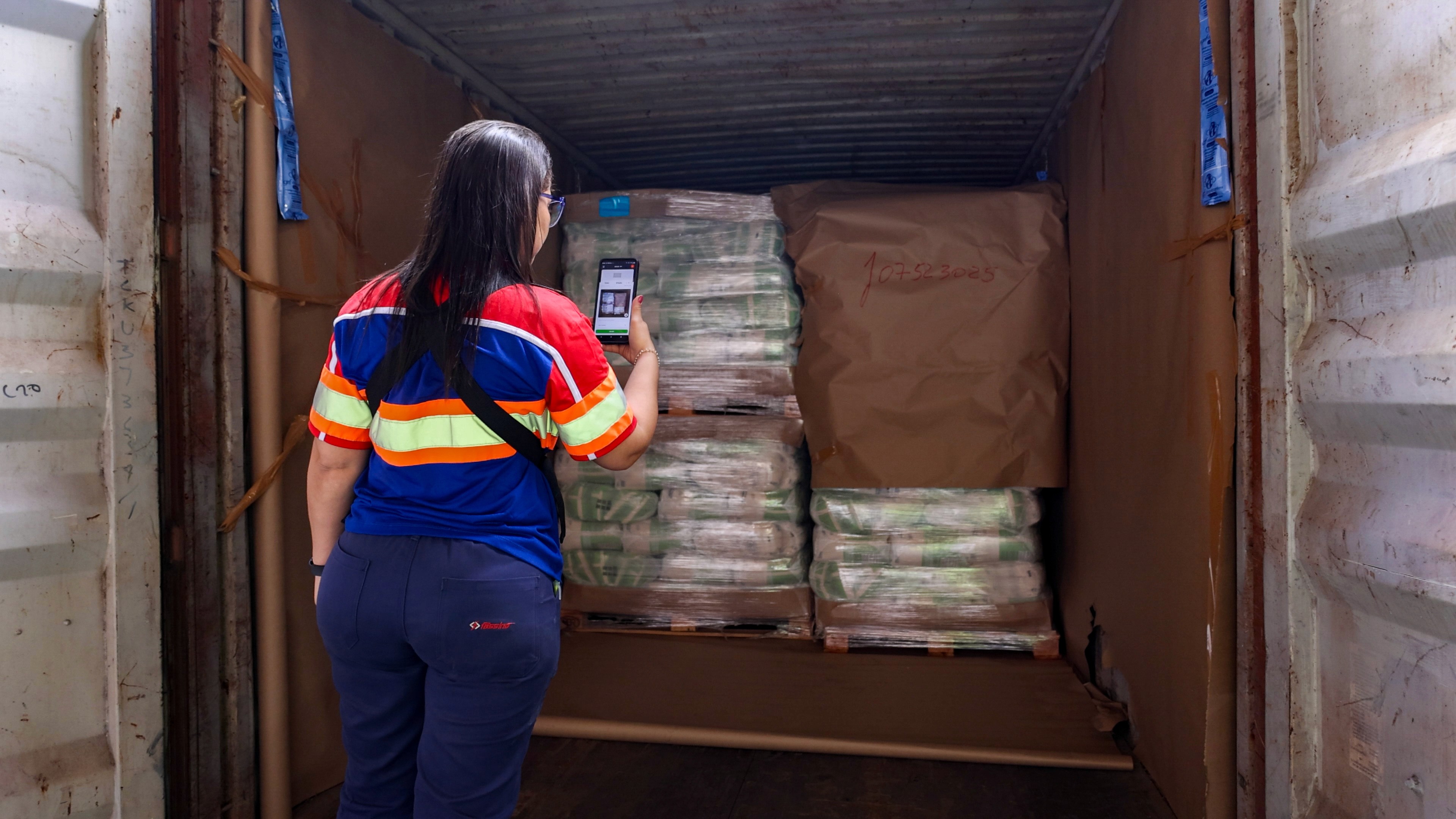
At inbound receipt, the point is catching damage that already existed before your goods entered the LSP's custody, documented with photo evidence, so you're not inheriting a problem that wasn't caused on their watch.
At outbound dispatch, the point is different: a full 360-degree photo set establishing exactly what condition your goods were in the moment they left the LSP's control, so there's no ambiguity later about who was responsible for what.
Two different moments, two different jobs. If your tender only asks for "inspections" without specifying both, you still have liability with no way to use it.
One paragraph, not a new negotiation
You don't need to rebuild your tender to close this gap. You need one clause that requires documented, time-stamped evidence of cargo condition at every custody transfer point, inbound and outbound, made available to you without delay, with deviations reported within a set timeframe.
Liability without visible evidence of condition doesn't meet that bar. It just meets the paperwork.