Inbound execution
Inbound logistics platforms offering cloud-based solutions
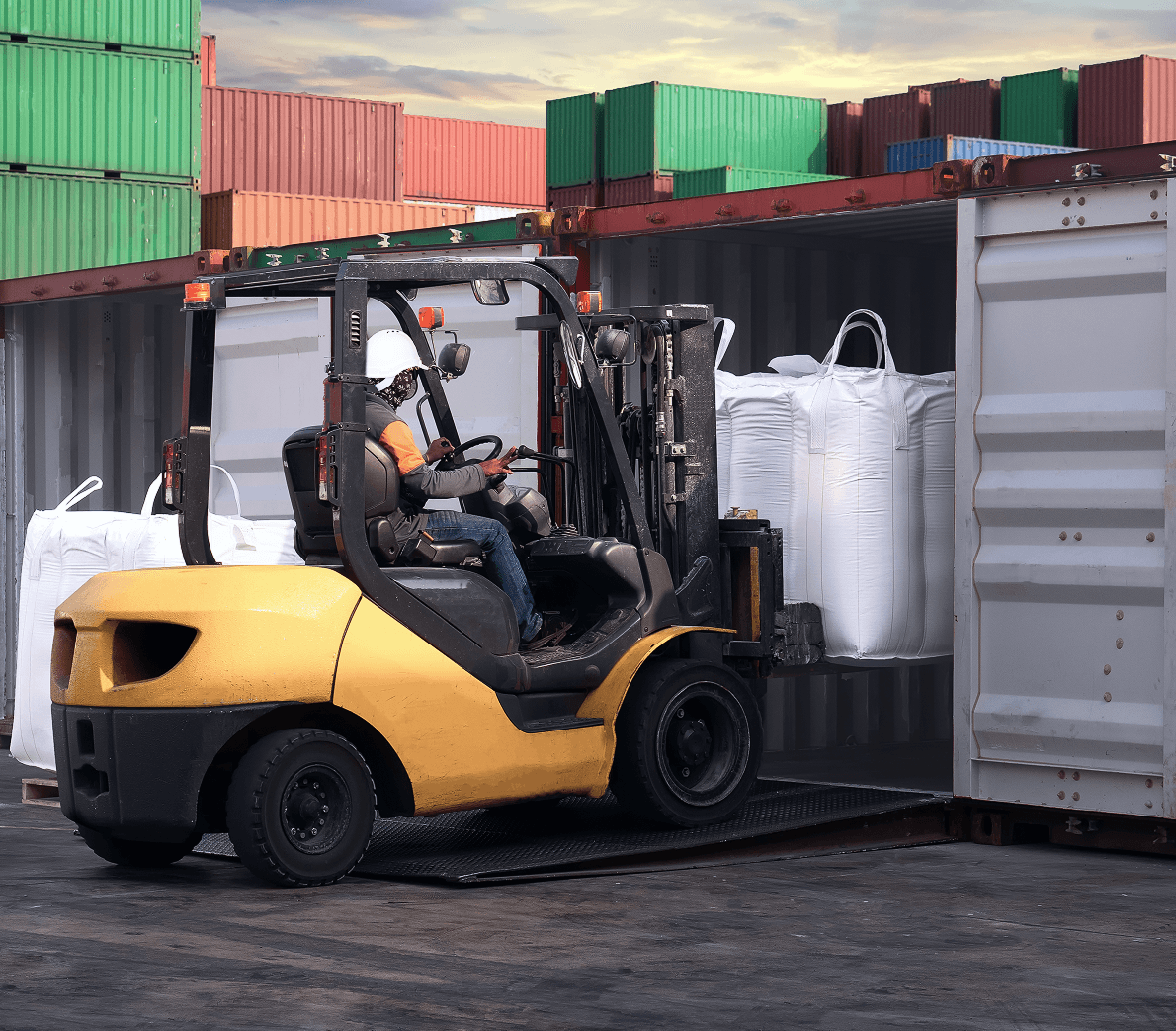
Inbound logistics platforms offering cloud-based solutions are software systems that manage inbound planning, coordination, and execution through the cloud. They typically include cloud-based WMS, dock scheduling tools, supplier collaboration platforms, and execution-focused solutions that capture what happens during inbound handling.
What does “cloud-based” mean in Inbound Logistics?
A cloud-based inbound logistics solution runs on remote servers instead of local infrastructure. This allows companies to:
Deploy faster without hardware installation
Scale across sites easily
Integrate with ERP, WMS, and TMS systems
Access inbound data in real time
Most modern inbound logistics platforms are now cloud-native or cloud-hosted.
What types of cloud-based Inbound Logistics platforms exist?
There are four main types of cloud-based inbound logistics platforms, each addressing a different part of the inbound process.
Cloud-based Warehouse Management Systems (WMS) focus on inbound inventory transactions such as receiving, put-away, and stock updates. They provide strong control over inventory accuracy and system integration but offer limited visibility into how inbound work is physically executed.
Dock scheduling and yard management platforms help plan and coordinate inbound arrivals by managing dock appointments, carrier communication, and yard visibility. These tools improve predictability and reduce congestion but do not capture what happens during unloading or inspections.
Supplier collaboration and ASN platforms enable suppliers to share shipment data, documentation, and compliance information before goods arrive. They improve data completeness and reduce surprises at receiving but typically stop once the shipment reaches the warehouse.
Execution and material handling visibility platforms capture what actually happens during inbound handling, such as unloading, inspections, and handovers. They use structured photos, scans, timestamps, and checklists to make inbound execution visible and measurable, complementing WMS and planning systems.
What problems do Inbound Logistics Platforms solve?
Inbound logistics platforms help companies coordinate inbound arrivals by aligning suppliers, carriers, and warehouse teams. This reduces uncertainty around delivery timing and improves planning at the dock. They also help reduce receiving delays by standardizing inbound workflows and improving communication before goods arrive. As a result, warehouses can process inbound shipments more efficiently.
Most inbound logistics platforms improve inventory accuracy by ensuring goods are recorded correctly at receipt and synchronized with ERP or WMS systems. This helps prevent stock discrepancies and downstream planning issues. Inbound platforms also standardize documentation, making it easier to manage shipping documents, inspections, and compliance records. This is especially important for regulated industries and audits.
Finally, inbound logistics platforms support compliance and audits by creating digital records of inbound activities and approvals. However, these records often confirm that a process occurred, not how well it was executed.
The blind spot of every platform
Most cloud-based inbound logistics platforms manage inbound logistics around the warehouse, such as scheduling and data exchange, but provide limited visibility inside the warehouse during physical handling. They typically cannot show how goods were actually unloaded, inspected, or handled at arrival. As a result, execution quality during inbound processes remains largely invisible.
These platforms also struggle to identify whether damages were already present at arrival or occurred during handling, making root-cause analysis difficult. In addition, they rarely capture how long inspections take or where deviations happen during receiving. Without this execution-level data, continuous improvement remains reactive rather than systematic.
How should companies choose a cloud-based Inbound Logistics Platform?
When evaluating inbound logistics platforms, companies should ask:
Do we need better planning or better execution? Planning tools optimize arrivals. Execution tools improve what happens on the floor.
Can we see how inbound work is actually performed? If execution is invisible, improvement is limited.
Does the platform support continuous improvement? Capturing handling data enables root-cause analysis and process optimization.
For companies aiming to improve inbound logistics performance, visibility into material handling is the missing link. Because inbound logistics doesn’t end when the truck arrives — it ends when goods are handled correctly.